
Paint is one of the easiest ways to change how a room looks and feels. You don’t need to spend a lot of money, and you don’t need special skills. A fresh coat of paint can make your whole house feel new again. Whether you want to paint one accent wall or your entire bedroom, there’s a paint idea for everyone.
In this guide, we’ll share creative paint ideas for every room in your home. We’ll show you color trends for 2026, simple techniques for beginners, and ways to make your space feel cozy and beautiful.
Easy Paint Ideas for Beginners
If you’ve never painted before, don’t worry! These ideas are simple and forgiving. You can start small and build your confidence.
Simple One-Color Walls
The easiest paint project is painting an entire wall one solid color. Pick a color you love, grab a brush, and get started. You can cover mistakes with more paint, which makes this perfect for first-timers. Many beginners start with neutral colors like soft beige, warm white, or light gray. These colors go with almost everything and never look wrong.
Accent Wall Magic
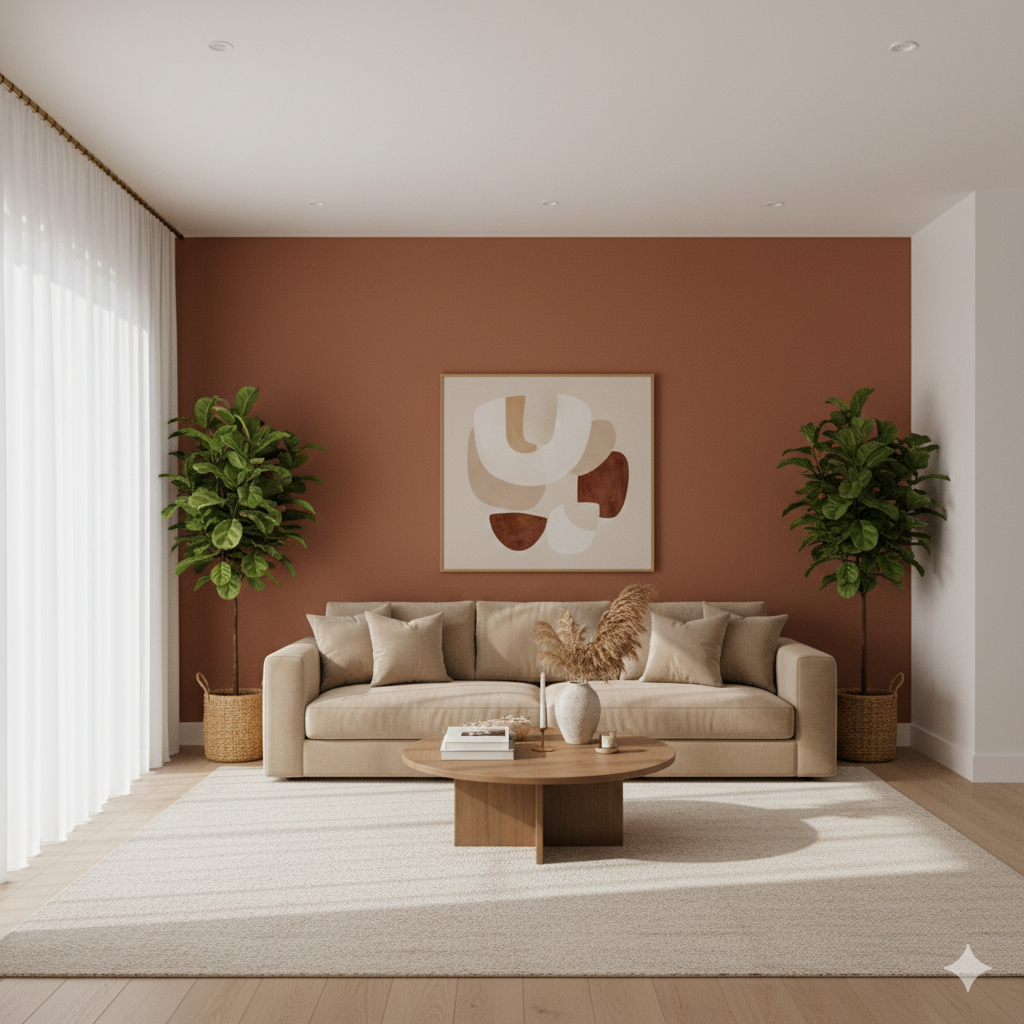
An accent wall is one wall painted in a different, bolder color than the rest of the room. This idea costs less than painting all four walls and takes about half the time. Accent walls work great in bedrooms, living rooms, and even kitchens.
Here’s how to pick which wall to paint: Choose the wall you see first when you walk into the room. This creates the biggest impact. Paint this wall in a deeper shade or a fun color while keeping the other three walls neutral.
Two-Color Walls
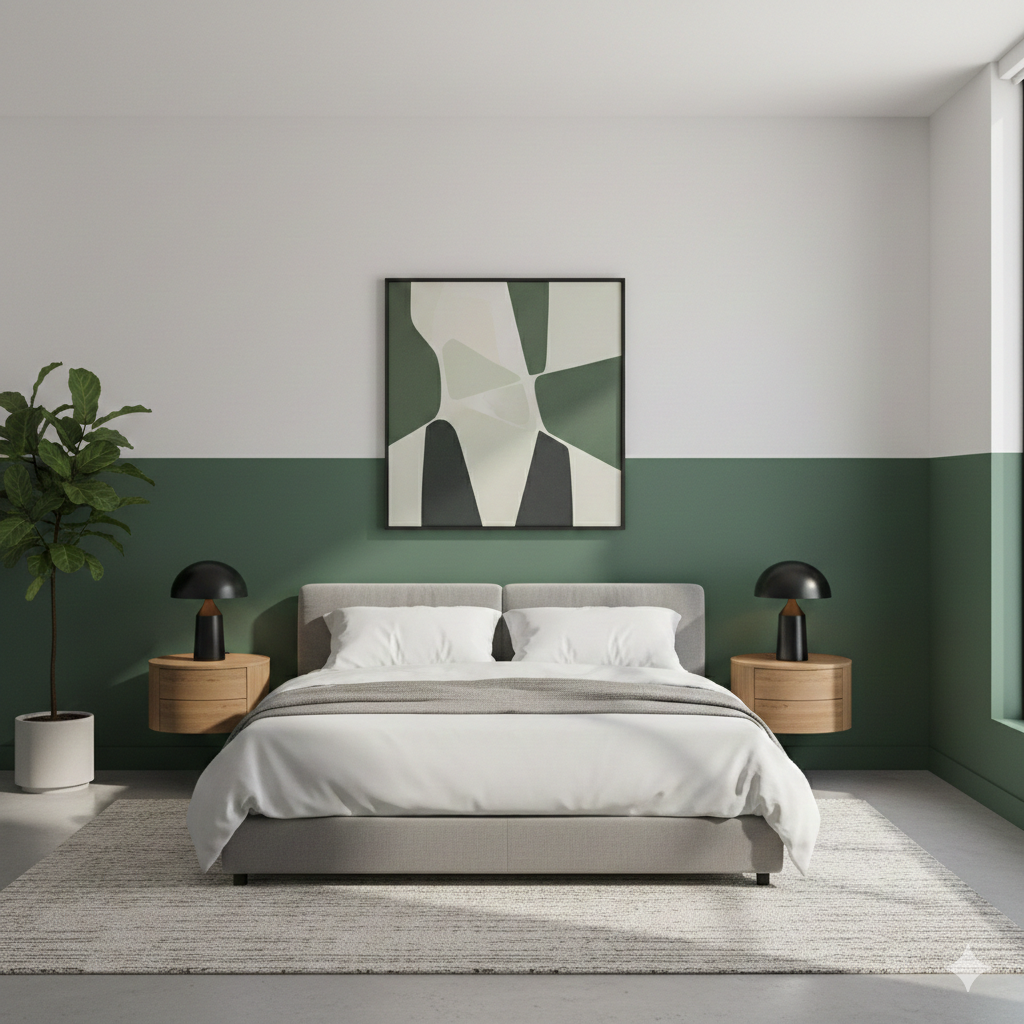
Paint your walls two different colors by dividing them horizontally. Paint the bottom half in one color and the top half in another. This technique (called “color blocking”) creates interest without feeling too busy. Pair light colors on top with slightly deeper shades on the bottom for best results.
Color Ideas for Every Room
Colors affect how we feel in a space. Choosing the right color for each room makes your home feel more inviting.
Bedroom Paint Ideas
Your bedroom should feel like a calm place where you rest. Avoid bright, energetic colors that might keep you awake. Instead, choose soft, soothing tones.
Best Bedroom Colors:
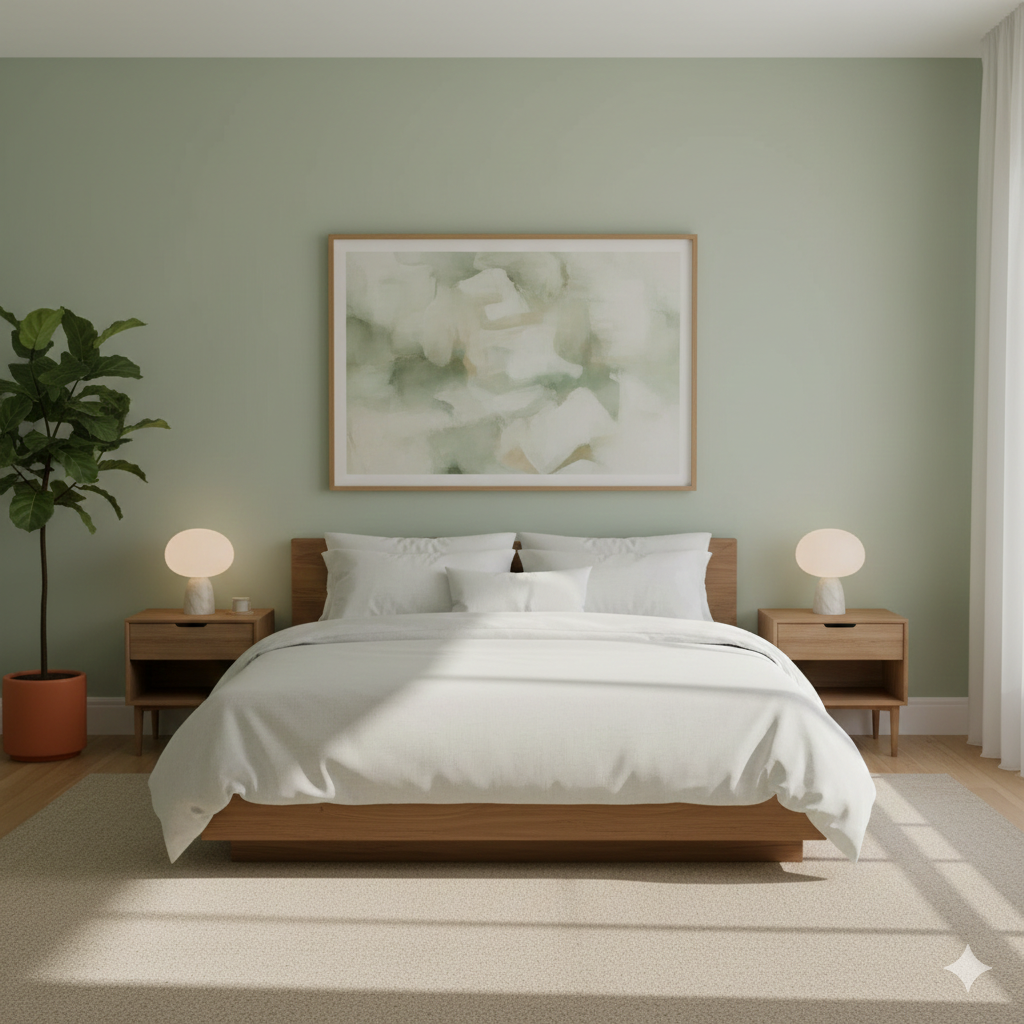
- Warm Greens: Soft sage, eucalyptus, or olive green create a natural, calming feeling. These colors help you sleep better and feel more peaceful.
- Soft Blues: Light blue or muted navy are gentle on the eyes. Navy blue creates a cozy cocoon feeling that’s perfect for sleep.
- Warm Neutrals: Soft beige, warm taupe, and creamy white are timeless choices that never feel cold or boring.
- Muted Pastels: Dusty lavender, soft rose, and pale blue work well when paired with natural wood and soft textures.
Avoid: Icy grays and bright, overly white walls. These feel cold and unwelcoming in a bedroom.
Living Room Paint Ideas
Your living room is where you spend time with family and friends. Paint colors here should feel warm and welcoming.
Best Living Room Colors:
Paint your living room in warm terracotta, burnt orange, or soft mustard for energy and warmth. These colors work great for color-blocking or accent walls. They pair beautifully with natural wood furniture and cozy textures.
If you prefer calm spaces, try muted green, soft blue, or warm taupe. These colors make guests feel relaxed and at home.
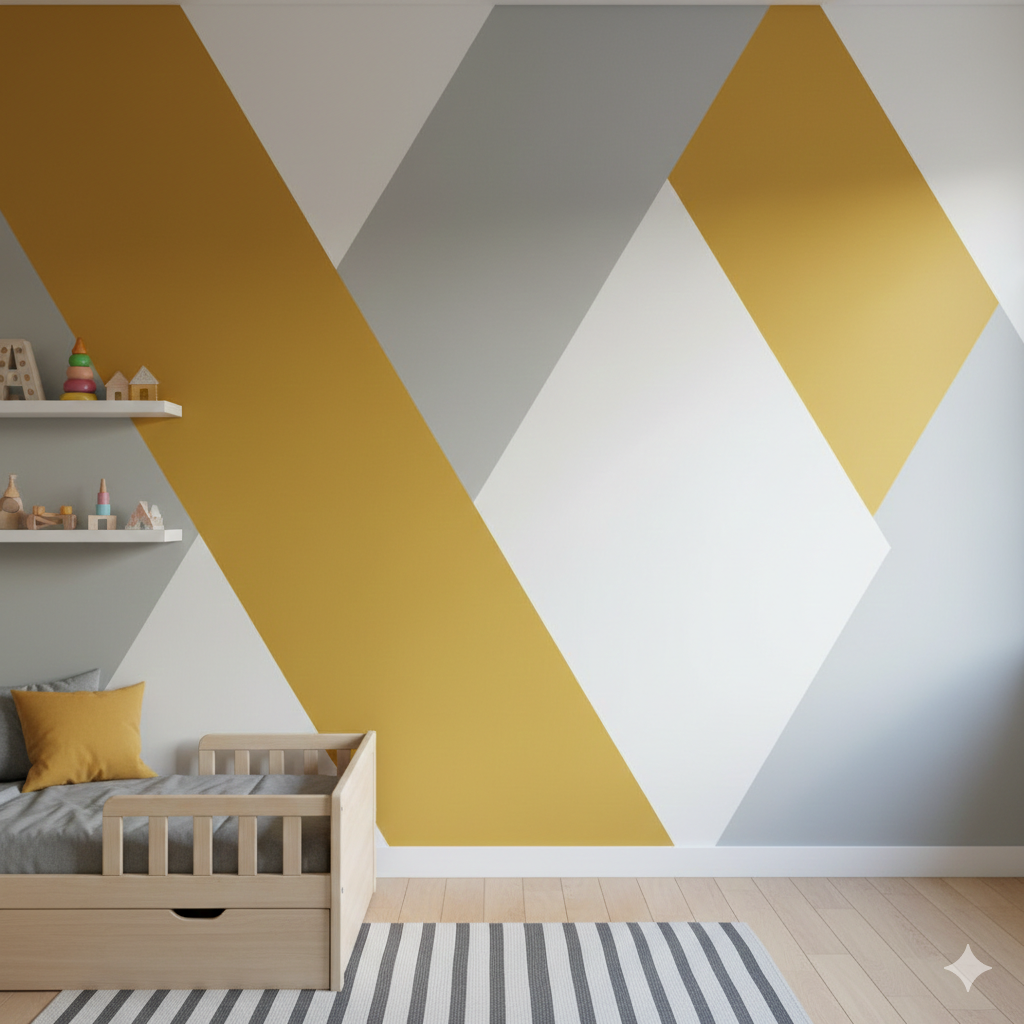
Color-Block Accent Wall: Choose two colors that go well together (like navy and cream, or sage green and white). Paint large geometric blocks on one wall for a modern, stylish look.
Kitchen Paint Ideas
Kitchens should feel bright and happy—this is where you cook and gather! Warm colors work best here.
Kitchen-Friendly Colors:
- Warm Whites and Creams: Classic, bright, and easy to keep looking clean.
- Soft Terracotta and Ochre: These warm earth tones make kitchens feel cozy and inviting.
- Pale Yellow or Butter Tones: These colors boost energy and make people feel happy and social.
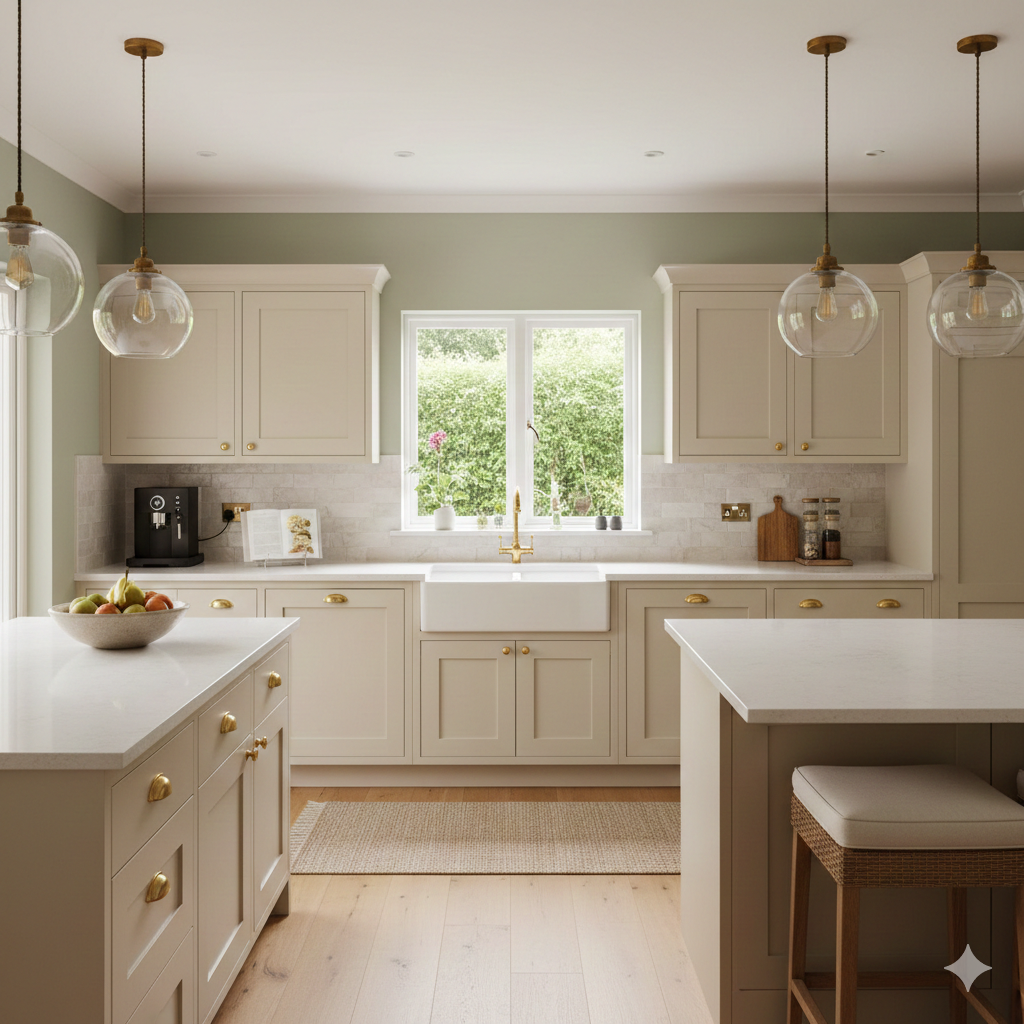
- Muted Green: Brings a natural, fresh feeling to your cooking space.
Paint your kitchen cabinets too! A fresh coat on your cabinets can transform the whole room without replacing them.
Bathroom Paint Ideas
Bathrooms are great places to try bolder colors since they’re usually small. Bold colors make small spaces feel special and interesting.
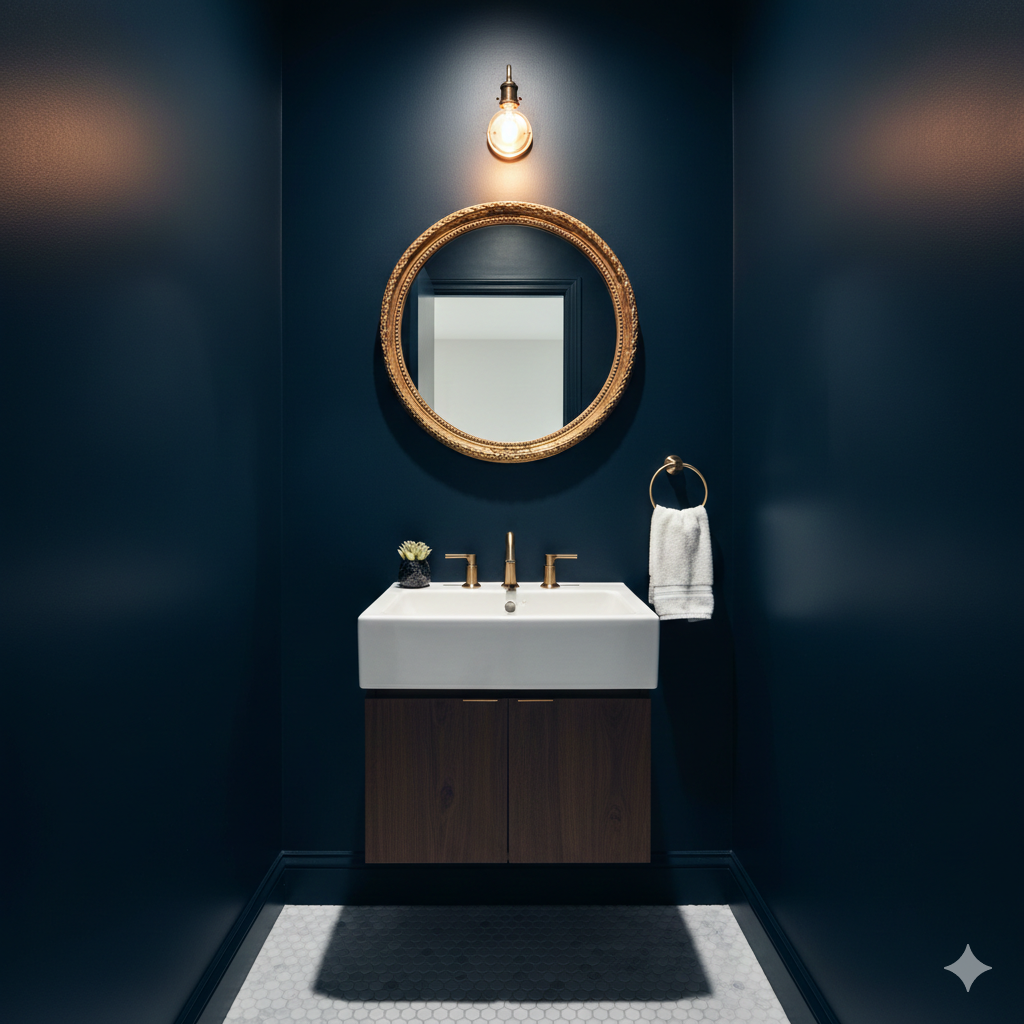
Bathroom Color Ideas:
Paint your bathroom walls in soft blue (like spa colors), soft green, or even a muted jewel tone. Small spaces look bigger when you paint the walls and ceiling the same color. A nautical theme with blues and whites also works beautifully in bathrooms.
Paint Techniques for Creative Results
Once you understand colors, try these simple techniques to make your walls more interesting.
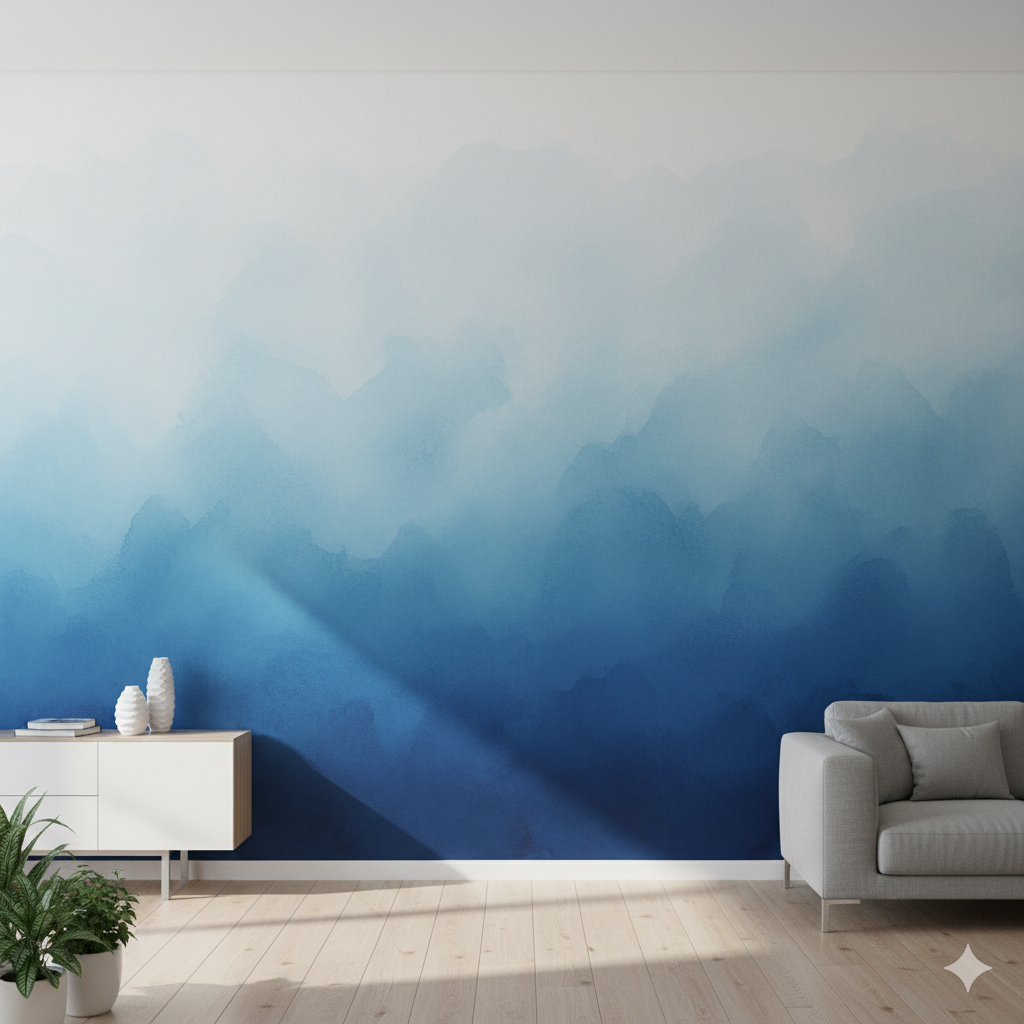
Ombre Effect
An ombre effect blends two or more shades of the same color from light to dark. Paint the bottom of the wall darker and gradually lighten as you go up. This creates a beautiful, dreamy look on accent walls or staircases. You can do this with paint colors or use peel-and-stick wallpaper.
Stenciled Patterns
Use stencils to create patterns on your walls. Damask patterns, chevron stripes, and Moroccan designs all look stunning. You can buy stencils at any craft store. This technique takes more time but creates a professional-looking result.
Striped Walls
Stripes are simple and elegant. Use painter’s tape to create straight lines, then paint between them. You can do thin stripes for a subtle look or thick stripes for bold impact. Vertical stripes make rooms feel taller. Horizontal stripes make rooms feel wider.
Geometric Patterns
Create fun geometric shapes on your walls. Start with basic shapes like triangles or circles. Paint them in different colors for a modern, playful look. These patterns are perfect for kids’ rooms and creative spaces.
Mixed Media Painting
Mix different painting tools and materials for unique effects. Use sponges, brushes, toothbrushes, and paint markers together. Try paint pouring, splattering, or dripping techniques for abstract results. These methods are perfect for canvas art or accent walls where you want to express yourself.
Paint Ideas for Specific Home Areas
Accent Doors and Trim
Paint your interior doors, window frames, or trim in a bold color. A dark painted door creates a striking entrance. Painted trim around windows or at the top of walls adds personality and visual interest. Dark charcoal, forest green, or deep navy work beautifully for doors.
Painted Cabinets and Built-Ins
Transform your kitchen cabinets, bathroom vanities, or bedroom built-ins with paint. This is an affordable way to update your space without buying new furniture. Try muted greens, deep charcoal, or warm terracotta on cabinets.
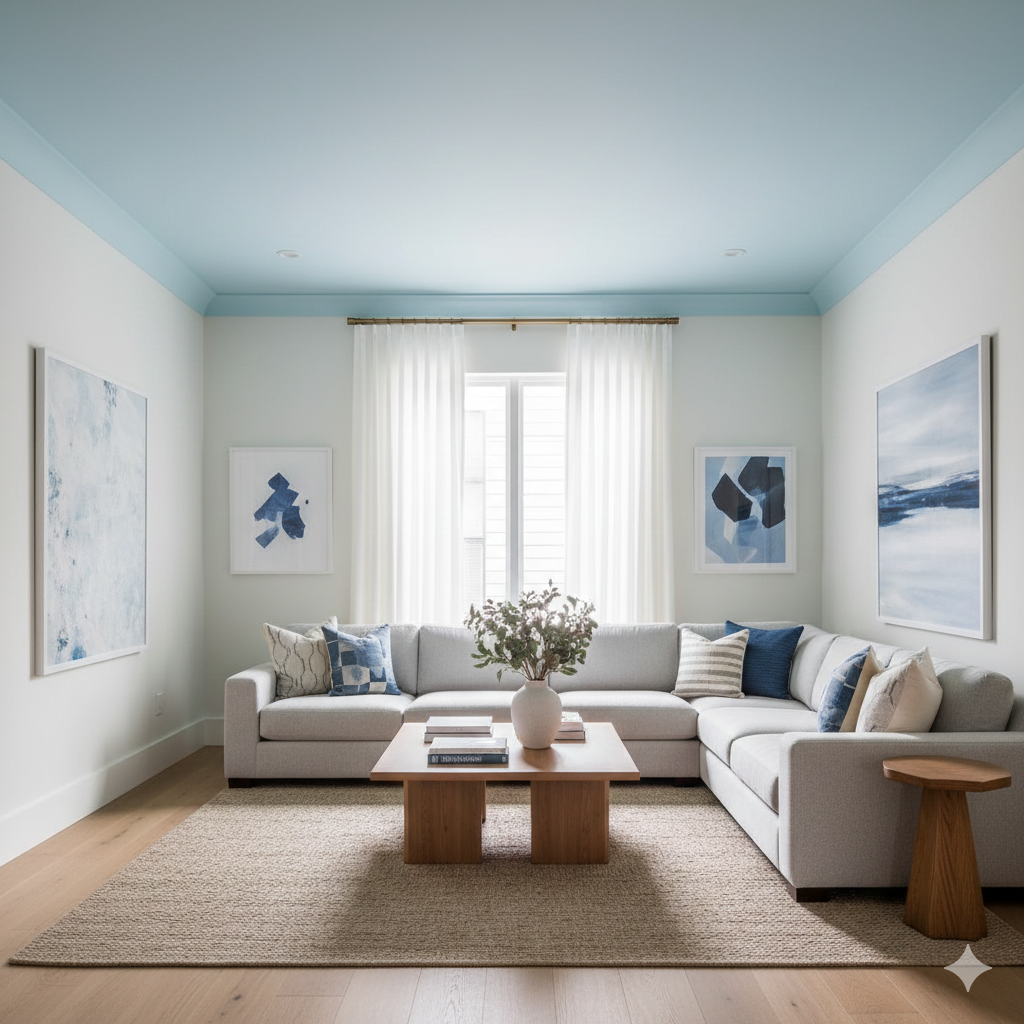
Ceiling Paint Ideas
Most people paint ceilings white, but you don’t have to! Paint your ceiling the same color as your walls for a cozy, wrapped-in-color feeling. Try soft white, pale blue, or even a muted gray. A painted ceiling creates warmth and makes rooms feel more complete.
Staircase Paint Ideas
Paint each stair tread a different color for a fun, creative look. Or try an ombre effect where each step gets slightly darker. Paint the stair railings a bold color to make them stand out as a design feature.
Hallway Paint Ideas
Hallways are perfect for trying bolder colors since they’re transitional spaces. Paint your hallway in warm terracotta, soft green, or even a moody dark blue. A painted hallway creates flow between rooms and sets the mood for your whole home.
2026 Paint Color Trends
Interior designers are seeing these color trends for 2026. These colors work because they’re warm, natural, and calm.
Warm Earthy Tones
Terracotta, ochre, warm clay, and soft mustard are trending. These “sunbaked” colors bring warmth and grounding energy. They’re perfect for kitchens and living areas where you want to feel energized but still cozy.
Muted Greens
Deep sage, olive, eucalyptus, and dusty mint are everywhere in 2026. Designers love these colors because they calm us like nature does. Research shows that green colors reduce stress by about 20 percent. Use these in bedrooms, living rooms, or any space where you want to feel peaceful.
Moody Darks
Deep plums, rich burgundy, dark navy, and charcoal are having a moment. These dramatic colors add luxury and sophistication. They work best on one accent wall or in smaller spaces like dining rooms, powder rooms, or reading nooks.
Warm Neutrals
Instead of cool grays, designers are using warm beige, mushroom taupe, soft stone, and creamy whites. These neutrals feel inviting and cozy instead of cold. Pair them with natural wood and warm textures for a grounded feeling.
Jewel Tones
Rich teal, muted plum, and moody violet are sophisticated color choices. These colors bring personality to a space without feeling overwhelming. Use them as accent walls or in smaller spaces.
Paint for Different Art Styles and Moods
For a Modern Look
Choose clean, simple colors like soft white, warm gray, or muted blue. Paint geometric patterns or use color-blocking techniques. Modern styles love bold accent walls in solid colors.
For a Cozy, Rustic Feel
Warm terracotta, soft olive green, and warm neutrals create a rustic vibe. These colors pair beautifully with natural wood, stone, and vintage furniture.
For a Minimalist Space
Keep it simple with one or two colors maximum. Use soft whites, pale grays, or warm neutrals. Let the walls be calming backgrounds for your furniture and art.
For a Bohemian Style
Mix warm terracotta, soft sage, muted plum, and warm gold. Layer different textures and colors for a colorful, artistic feel. Boho style loves warm, earthy colors.
For a Contemporary Home
Try muted jewel tones, deep teals, soft grays, or sophisticated blacks. Contemporary design works well with bold accent walls and interesting color combinations.
Tips for Choosing Your Paint Colors
Test Colors First
Always test paint colors on your walls before committing. Paint large swatches (at least 2 feet by 2 feet) and look at them in different lighting. Colors change dramatically depending on natural light, artificial light, and the time of day. Spend a day looking at your swatches before deciding.
Consider Lighting
Natural light affects colors differently than artificial light. North-facing rooms with less sunlight benefit from warm colors. South-facing rooms get plenty of light and can handle cooler tones. Test your colors at different times of day.
Think About Your Mood
What feeling do you want in this room? Calm and peaceful? Energized and warm? Sophisticated and dramatic? Let this guide your color choice.
Use the 60-30-10 Rule
In color decorating, use one main color for 60% of your room, a secondary color for 30%, and an accent color for 10%. This creates balance and prevents your room from feeling overwhelming.
Common Paint Mistakes to Avoid
- Choosing colors too quickly: Spend time with paint samples. What looks good in the store might not feel right in your space.
- Ignoring lighting: Poor lighting makes all colors look bad. Consider your room’s natural and artificial light.
- Using all bold colors: Mix bold and neutral. Too much color is overwhelming.
- Forgetting about furniture: Your new paint needs to work with your furniture and décor. Make sure colors coordinate.
- Not preparing walls: Clean and prime your walls first. This helps paint stick and look smooth.
- Using low-quality paint: Cheap paint requires more coats and fades faster. Invest in good paint.
How to Get Started With Your Paint Project
Gather Your Supplies
You don’t need much to paint a room. Start with decent brushes from a craft store, a palette, a water basin for rinsing, and paint. For cabinets or trim, use painter’s tape to create clean lines. A plastic sheet protects your floors.
Prepare Your Space
Cover floors and furniture with plastic sheets. Remove furniture from the room if possible. Fill nail holes and sand rough spots on walls. Clean walls with a damp cloth to remove dust.
Choose Your Paint Type
For beginners, craft paint is affordable and forgiving. Acrylic paint works on canvas, wood, and other surfaces. For walls, use interior wall paint designed for your room type (bedroom, kitchen, bathroom, etc.). Different paints need different primers, so ask at your paint store.
Practice First
Before painting your walls, practice on paper or canvas. Get used to holding the brush. Paint some shapes and practice blending colors. This builds confidence.
Remember: Paint for Joy
Don’t judge yourself during this process. Paint to be creative and have fun, not to be perfect. Your mistakes are just part of the process. Even experienced artists make them! The goal is to create a space you love.
Paint Ideas by Room Summary
| Room | Best Colors | Style | Technique |
| Bedroom | Soft green, blue, taupe | Calm, peaceful | Solid color or ombre |
| Living Room | Warm terracotta, neutral, soft blue | Welcoming, warm | Accent wall or color-blocking |
| Kitchen | Warm white, pale yellow, terracotta | Bright, energized | Solid or cabinet paint |
| Bathroom | Soft blue, green, jewel tone | Fresh, spa-like | Solid or tile accents |
| Hallway | Warm terracotta, green, moody blue | Transitional, flowing | Solid or striped |
| Dining Room | Deep red, plum, warm neutral | Intimate, sophisticated | Accent wall or all-over |
| Entryway | Warm welcome colors, green, taupe | First impression, inviting | Solid or bold |
Final Thoughts
Paint is the easiest, most affordable way to transform your home. You don’t need experience, expensive equipment, or a big budget. A can of paint and a few hours can completely change how a room looks and feels.
Start small if you’re nervous. Paint a closet or powder room first. Try a bold accent wall before painting all four walls. Test colors with swatches and spend time with them before committing.
Remember that trends come and go, but colors that make you happy last forever. Choose paint colors that make you smile every time you walk into the room. Your home should feel like a warm hug—a space that reflects who you are and makes you feel good.
Ready to start your paint project? Visit your local paint store, grab some color samples, and get inspired. Your perfect painted room is waiting for you.