
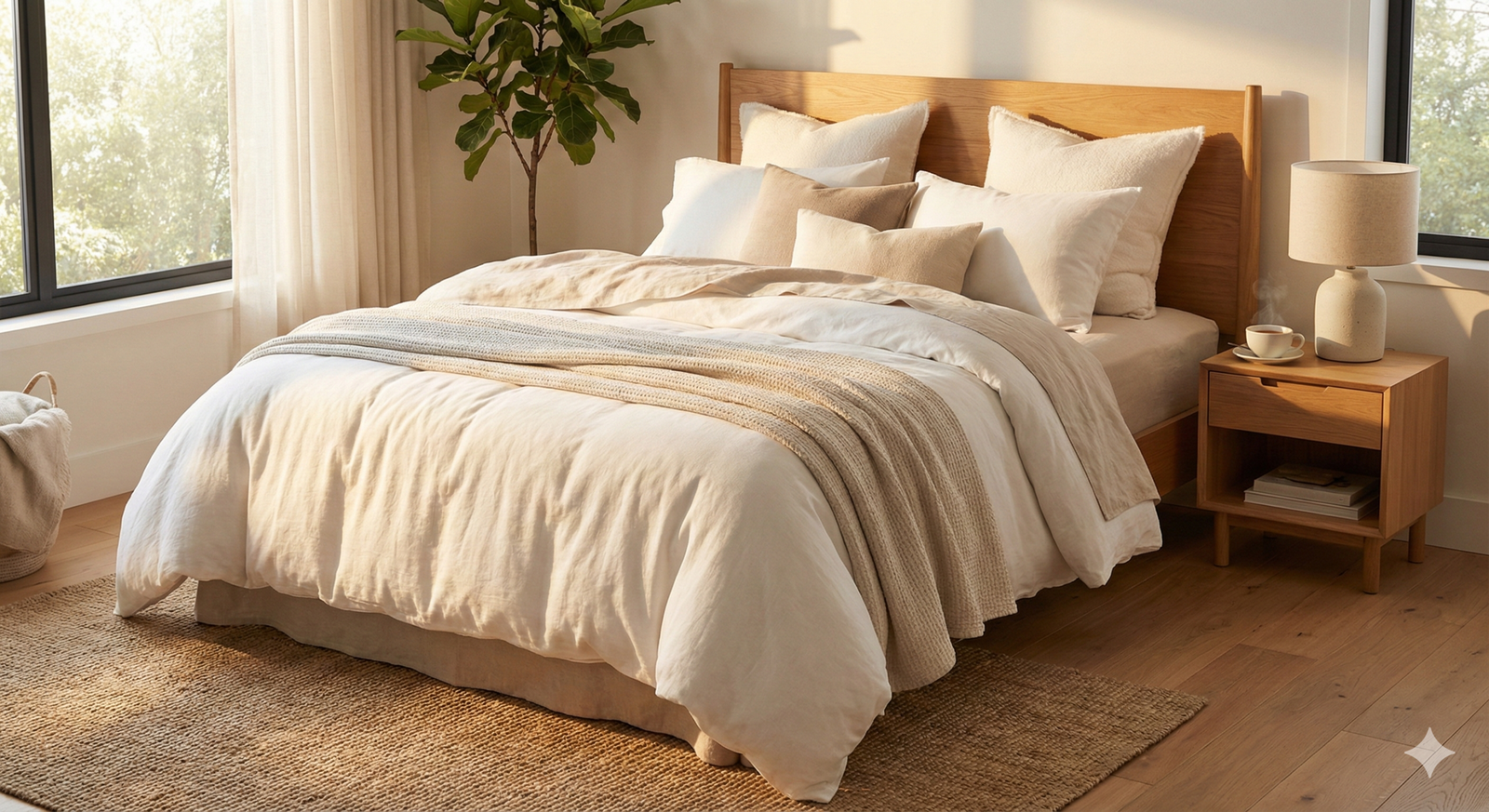
Bedding is anything you put on your bed to make it soft, warm, and clean. This includes sheets, pillows, blankets, and covers. Good bedding helps you sleep better and makes your bedroom look nice.
In this guide, you will learn about all the different types of bedding. You will find out what materials work best. You will discover how to pick the right bedding for your needs. You will also learn how to take care of your bedding so it lasts a long time.
What Is Bedding?
Bedding means all the soft things you put on top of your mattress. These items keep you warm, protect your mattress, and make sleeping more comfortable.
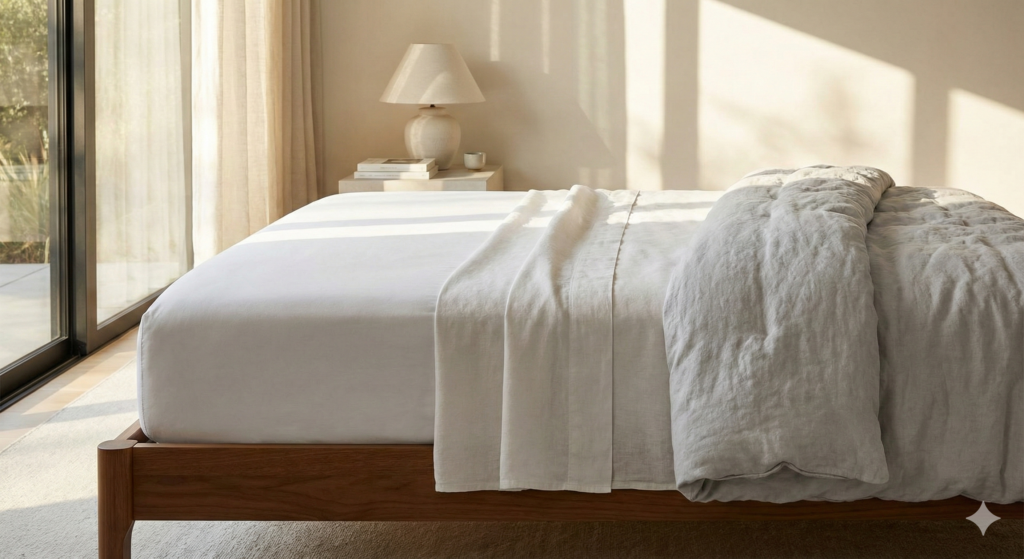
Most beds have several layers of bedding. The bottom layer usually covers the mattress. The middle layers keep you warm. The top layers look pretty and add style to your room.
Why Good Bedding Matters
Your bedding does more than look nice. It helps you sleep well at night. Clean, soft bedding makes you feel relaxed. The right bedding keeps you at a good temperature while you sleep.
Bad bedding can make you toss and turn. It can make you too hot or too cold. Old or rough bedding can hurt your skin. That is why picking good bedding matters so much.
Good bedding also protects your mattress. A mattress costs a lot of money. Bedding keeps it clean from sweat, dirt, and spills. This makes your mattress last longer.
Types of Bedding You Need to Know
There are many types of bedding. Each one serves a different purpose. Let’s look at the main types you will use.
Sheets
Sheets are the most important bedding. They touch your skin all night. Most beds need two sheets: a fitted sheet and a flat sheet.
Fitted Sheets
A fitted sheet goes directly on your mattress. It has elastic corners that stretch around the mattress. This keeps the sheet tight and smooth. No one likes a fitted sheet that pops off in the night.
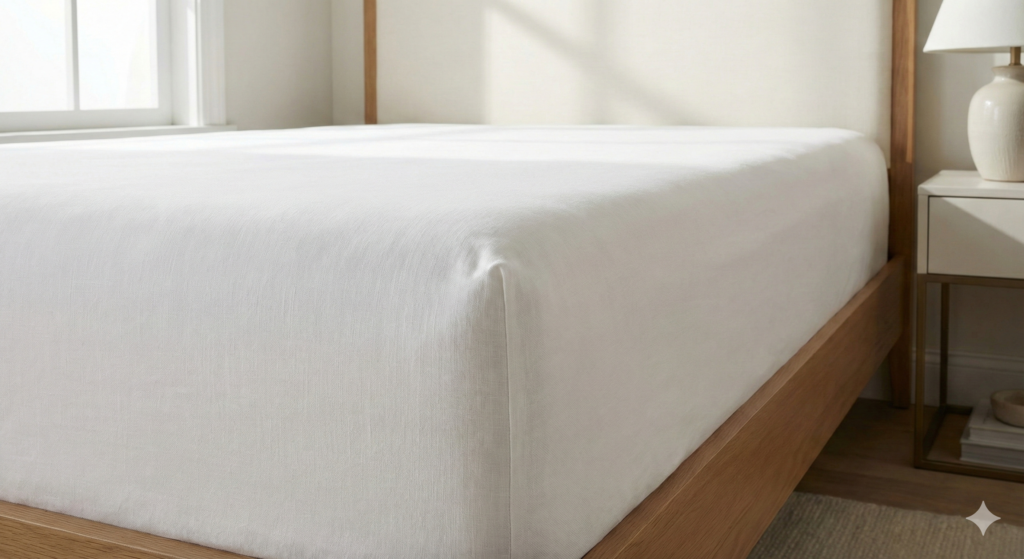
When you buy a fitted sheet, check how deep the pockets are. Mattresses come in different heights. A thick mattress needs a deep-pocket fitted sheet. Most fitted sheets work for mattresses up to 10 inches tall. If your mattress is thicker, look for sheets that say “deep pocket” or “extra deep pocket.”
Flat Sheets
A flat sheet goes on top of the fitted sheet. Some people call it a top sheet. You sleep between the flat sheet and the fitted sheet. The flat sheet sits under your blanket or comforter.
Not everyone uses a flat sheet. Some people skip it and sleep right under their duvet. But a flat sheet has benefits. It keeps your blanket or comforter cleaner. You wash sheets more often than you wash blankets. A flat sheet also gives you an extra layer in cold weather.
In summer, some people use just a flat sheet instead of a blanket. It keeps you covered without making you too hot.
Pillowcases
Pillowcases cover your pillows. They protect the pillow from dirt, oil, and sweat. Most sheet sets come with two pillowcases.
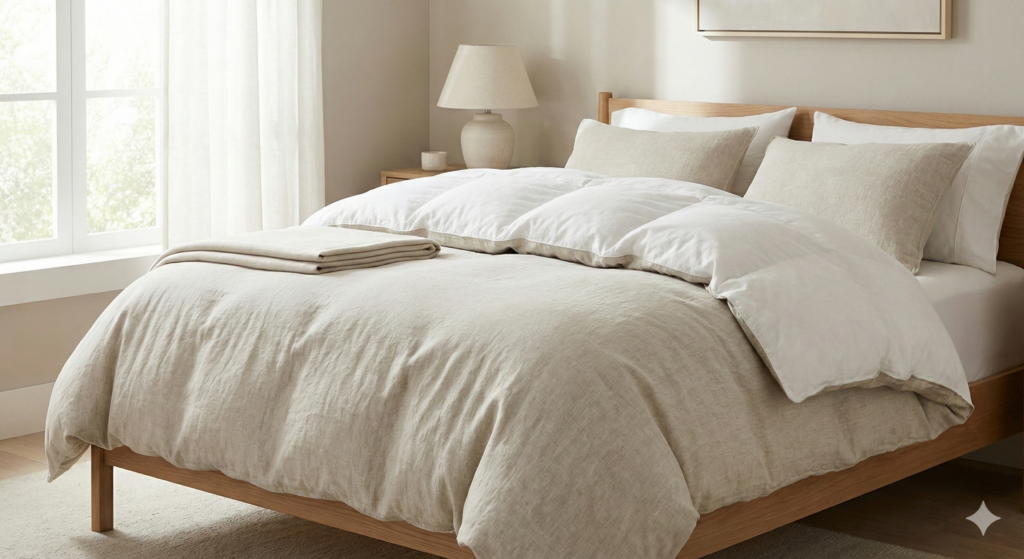
Pillowcases come in standard, queen, and king sizes. Match the size to your pillow. A too-small pillowcase looks lumpy. A too-big pillowcase lets the pillow slide around inside.
Some people like to change their pillowcases more often than their sheets. This can help keep your face clean and may help prevent acne.
Comforters and Duvets
Comforters and duvets are thick blankets that keep you warm. Many people get confused about the difference between them.
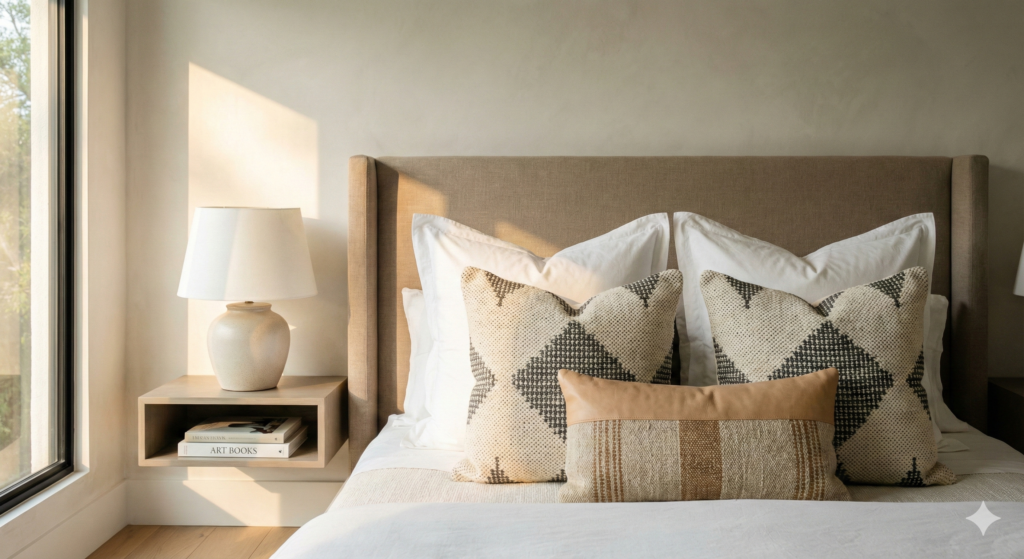
Comforters
A comforter is a thick blanket filled with soft material. The filling might be down feathers or synthetic fibers. A comforter is ready to use right away. You just put it on your bed.
Comforters come in many colors and patterns. When you want to change your look, you need to buy a new comforter. Most comforters cannot go in a regular washing machine at home. You often need to take them to a laundromat with big machines.
Duvets
A duvet is different. A duvet has two parts: an insert and a cover. The insert is plain white and filled with soft material. The cover is like a big pillowcase that goes around the insert.
The best thing about a duvet is that you can change the look easily. Buy different duvet covers and swap them out. Your bedroom gets a new look without buying a whole new duvet. When the cover gets dirty, you just wash the cover. The insert stays clean.
Most people find duvets easier to care for than comforters. The cover is lighter and fits in a home washing machine.
Blankets and Quilts
Blankets and quilts add warmth to your bed. They come in many weights and styles.
Blankets
A blanket is a single layer of fabric. Blankets can be thin or thick. Cotton blankets work well in summer. Wool blankets keep you warm in winter. Fleece blankets feel soft and cozy.
You can layer blankets on your bed. Use a light blanket in summer. Add more blankets in winter. Many people keep a blanket at the foot of their bed. This way they can pull it up if they get cold in the night.
Quilts
A quilt has three layers. The top layer shows a pretty pattern. The middle layer is soft padding. The bottom layer is plain fabric. All three layers are stitched together with visible stitching.
Quilts are not as thick as comforters. They work well in spring and fall. Some people use a quilt over a blanket in winter. Quilts also look beautiful draped over the end of a bed.
Coverlets and Bedspreads
These items cover your whole bed during the day. They make your bed look neat and finished.
Coverlets
A coverlet is lighter than a bedspread. It covers the top of your bed and hangs down the sides a little. It does not reach the floor. Many people use a coverlet for decoration during the day and take it off at night.
Bedspreads
A bedspread covers everything. It goes over your pillows and hangs all the way to the floor. Bedspreads were very popular in the past. Today, not as many people use them. But they still work well if you want to hide storage under your bed.
Pillows
Pillows support your head and neck while you sleep. The right pillow helps you wake up without pain.
Pillows come filled with different materials. Down pillows feel soft and fluffy. Memory foam pillows mold to your head shape. Synthetic fill pillows cost less and work well for people with allergies.
Pick a pillow that matches how you sleep. Side sleepers need thick, firm pillows. Back sleepers need medium pillows. Stomach sleepers need thin, soft pillows.
Decorative Pillows
These pillows make your bed look pretty. They are also called throw pillows or accent pillows. They come in many shapes and sizes. Common types include square Euro shams, long lumbar pillows, and round bolster pillows.
You do not sleep on decorative pillows. You take them off the bed at night. During the day, they add color and style to your room.
Mattress Pads and Protectors
These go under your fitted sheet. They protect your mattress and can make it more comfortable.
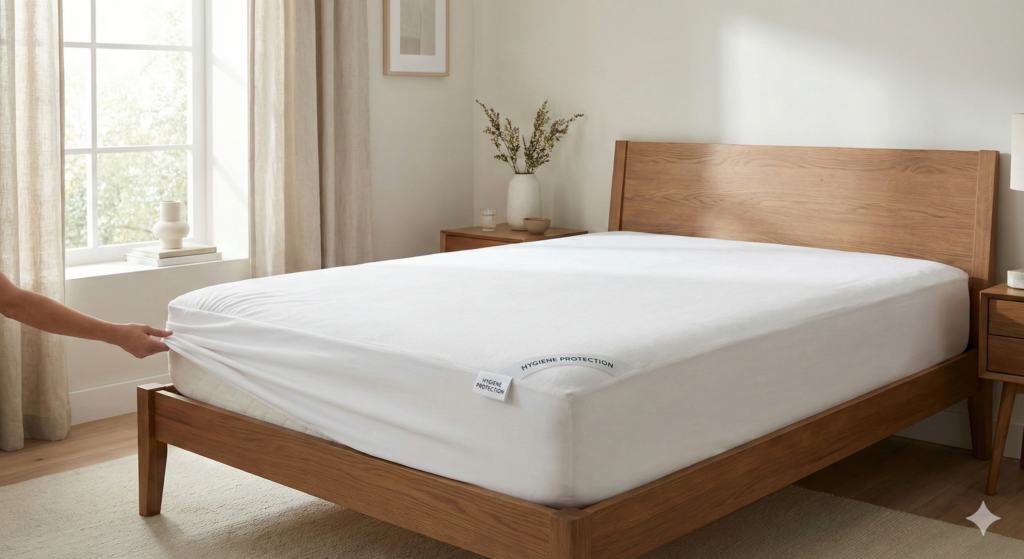
Mattress Protectors
A mattress protector is a thin cover that keeps your mattress clean. It protects against spills, sweat, and dust mites. Some protectors are waterproof. This is important if you have kids or pets.
Everyone should use a mattress protector. Mattresses cost a lot of money. A protector makes them last longer. It also keeps your warranty valid. Many mattress companies require a protector.
Mattress Pads
A mattress pad adds softness to your bed. If your mattress feels too hard, a mattress pad can help. Some pads have cooling features to keep you from getting too hot at night.
Mattress toppers are thicker than mattress pads. They can be made of memory foam, latex, or down. A good topper can make an old or uncomfortable mattress feel much better.
Bedding Materials Explained
The material your bedding is made from affects how it feels, how long it lasts, and how you care for it. Let’s look at the most common materials.
Cotton
Cotton is the most popular bedding material. It is soft, breathable, and easy to care for. Cotton gets softer each time you wash it.
Not all cotton is the same. Here are the main types:
Egyptian Cotton
Many people consider Egyptian cotton the best. It has very long fibers that make soft, strong fabric. Egyptian cotton sheets feel smooth and last a long time. They cost more than regular cotton.
Pima and Supima Cotton
Pima cotton also has long fibers. It feels almost as nice as Egyptian cotton but costs less. Supima is a type of American-grown Pima cotton. Both make excellent sheets.
Regular Cotton
Regular cotton works well for everyday use. It costs less than premium cotton. It still feels soft and comfortable. Many affordable sheet sets use regular cotton.
Linen
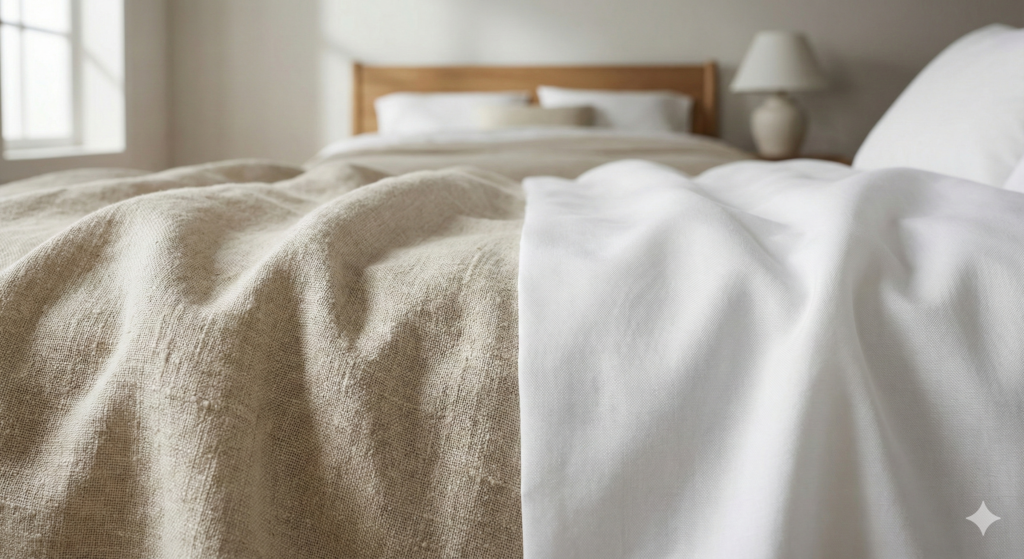
Linen comes from flax plants. It feels crisp and cool. Linen is perfect for hot weather because it breathes so well.
New linen feels a bit rough. But it gets softer each time you wash it. After many washes, linen becomes incredibly soft while staying strong.
Linen wrinkles easily. Some people love the relaxed, rumpled look. Others do not like it. If you want smooth sheets, linen might not be for you.
Microfiber
Microfiber is made from very thin synthetic fibers. Usually, this means polyester. Microfiber sheets feel soft and smooth. They cost much less than cotton.
Microfiber does not breathe as well as natural fibers. This means you might feel warm at night. But microfiber resists wrinkles and fading. It is very easy to care for.
Bamboo
Bamboo bedding is made from bamboo plants. The plants are processed into a soft fabric. Some people call it rayon or viscose from bamboo.
Bamboo sheets feel silky smooth. They are cooler than cotton. They also resist bacteria naturally. Many people with sensitive skin like bamboo sheets.
Bamboo bedding costs more than basic cotton but less than Egyptian cotton. It is a good middle choice.
Silk
Silk is the most luxurious bedding material. It feels incredibly smooth against your skin. Silk is naturally cooling in summer and warming in winter.
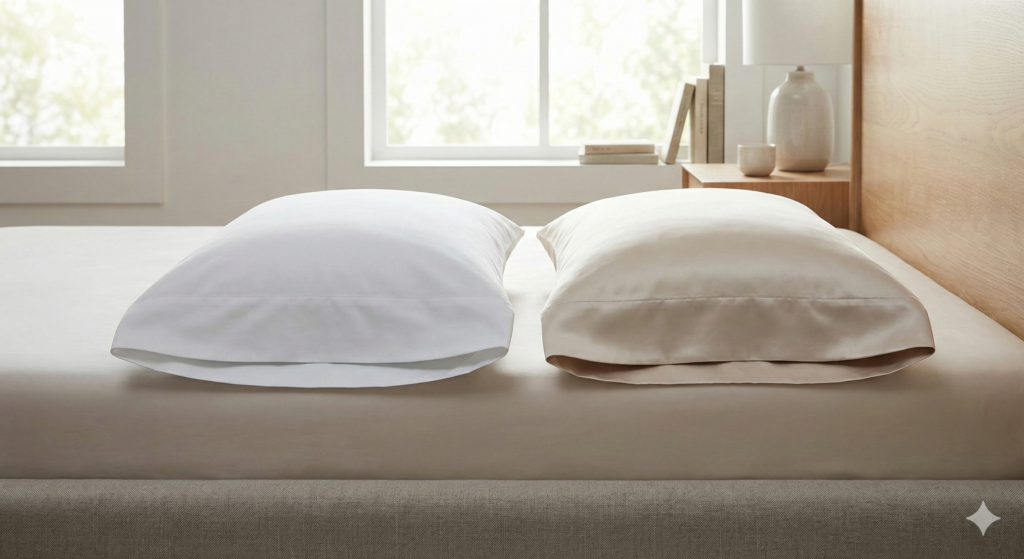
Real silk costs a lot. It also needs special care. You usually cannot put silk in a regular washing machine. Many people use silk pillowcases even if they do not have silk sheets. Silk pillowcases are said to be good for your hair and skin.
Flannel
Flannel is brushed cotton that feels fuzzy and warm. It is perfect for cold weather. Most people use flannel sheets only in winter.
Flannel sheets can pill over time. This means little balls of fuzz form on the surface. Good quality flannel pills less than cheap flannel.
Polyester
Polyester is synthetic fabric. Pure polyester bedding is not as popular as polyester blends. Many sheets mix polyester with cotton. This blend costs less than pure cotton. It resists wrinkles and lasts a long time.
Pure polyester does not breathe well. It can make you feel hot and sweaty. But polyester blends can work well, especially if you are on a tight budget.
Understanding Thread Count and Weaves
When you shop for sheets, you will see numbers called thread count. You will also see words like percale and sateen. What do these mean?
What Is Thread Count?
Thread count tells you how many threads are in one square inch of fabric. The number includes threads going up and down and threads going side to side.
Many people think higher thread count always means better sheets. This is not true. Very high thread counts (over 600) can be tricks. Some companies count threads in a confusing way to make the number look bigger.
For most materials, good thread count ranges are:
- Cotton: 200 to 400
- Egyptian cotton: 300 to 500
- Linen: 80 to 200
- Bamboo: 250 to 350
The material and weave matter more than the thread count number. A 300-count Egyptian cotton sheet can feel much nicer than a 600-count regular cotton sheet.
According to the Sleep Foundation, thread count should be evaluated along with other factors like material type and weave pattern, as thread count alone does not determine sheet quality.
Percale Weave
Percale is a type of weave that makes sheets feel crisp and cool. The fabric has a matte finish with no shine. Percale sheets feel fresh, like the sheets in a nice hotel.
Percale breathes very well. This makes it perfect for hot sleepers. The fabric stays smooth and tight. It does not wrinkle as much as some other weaves.
Most percale sheets have a thread count between 200 and 400. Higher is not always better with percale. Some of the best percale sheets have thread counts around 280.
Sateen Weave
Sateen is different from percale. Sateen sheets feel smooth and silky. They have a subtle shine on the surface. If you like soft, luxurious sheets, you probably want sateen.
Sateen is woven in a special way. More threads show on the surface. This makes the fabric feel silkier. It also makes it a bit warmer than percale.
Sateen sheets usually have thread counts between 300 and 600. They wrinkle a bit more than percale sheets. But many people think the soft feel is worth it.
Jersey Weave
Jersey is a knit fabric, like a T-shirt. Jersey sheets feel soft and stretchy. They are very casual and comfortable.
Jersey sheets are not as durable as woven sheets. They can pill over time. But they feel cozy, especially in cool weather. If you love your soft old T-shirts, you will probably like jersey sheets.
How to Choose the Right Bedding
With so many choices, how do you pick the best bedding? Think about these questions.
What Is Your Sleep Temperature?
Do you usually feel hot or cold at night? Your answer affects what bedding you should buy.
Hot sleepers need breathable materials. Look for:
- Cotton percale sheets
- Linen sheets
- Bamboo sheets
- Light blankets or lightweight comforters
Avoid heavy materials that trap heat. Skip flannel, fleece, and thick comforters in warm weather.
Cold sleepers need warmth. Look for:
- Cotton sateen sheets
- Flannel sheets
- Down comforters
- Heavy blankets or quilts
You can always add more layers if you get cold. But if you are too hot, it is hard to cool down.
Do You Have Allergies?
Some bedding materials can bother people with allergies. If you have allergies, consider:
Cotton is naturally hypoallergenic. Organic cotton is even better because it is grown without chemicals.
Bamboo resists dust mites and bacteria naturally. This can help reduce allergy symptoms.
Synthetic fills are good for people allergic to feathers. Look for hypoallergenic comforters and pillows.
Wash your bedding often in hot water. This kills dust mites and removes allergens. Use a mattress protector to keep allergens out of your mattress.
What Is Your Budget?
Bedding comes in all price ranges. You can find sheets for $30 or $300. Here is what to expect at different prices:
Budget bedding (under $50 for a sheet set) works fine. It might not last as long. The material might be thinner. But many people use budget bedding for guest rooms or kids’ rooms.
Mid-range bedding ($50-$150) offers good value. You get better materials that last longer. The sheets feel nicer and wash well.
Luxury bedding (over $150) uses the best materials. Egyptian cotton, linen, and silk cost more. Luxury bedding lasts many years with good care. If you can afford it, nice bedding is worth the investment. You spend one-third of your life in bed.
What Size Do You Need?
Bedding must fit your mattress properly. Measure your mattress before you shop. You need to know:
- The mattress size (twin, full, queen, king)
- The mattress height or thickness
Standard mattress sizes in the United States are:
- Twin: 39 inches x 75 inches
- Twin XL: 39 inches x 80 inches
- Full: 54 inches x 75 inches
- Queen: 60 inches x 80 inches
- King: 76 inches x 80 inches
- California King: 72 inches x 84 inches
If your mattress is thick or has a pillow top, you need deep-pocket fitted sheets. Regular fitted sheets might not stretch far enough. Check that the pocket depth is at least 2 inches more than your mattress height.
What Look Do You Want?
Your bedding affects how your whole bedroom looks. Think about:
Colors: Do you want bright colors, soft pastels, or neutral tones? White and gray are classic choices that never go out of style. Bold colors can make a statement.
Patterns: Solid colors are easy to mix and match. Stripes look clean and modern. Florals feel romantic. Geometric patterns add interest.
Texture: Smooth sateen looks elegant. Crisp percale looks fresh and clean. Textured coverlets add visual interest.
Layers: Do you want a simple look with just sheets and a duvet? Or do you like lots of pillows and layers? Both can look great.
Pick bedding that makes you happy. You should love seeing your bed every day.
How to Care for Your Bedding
Good bedding lasts longer when you take care of it right. Follow these tips to keep your bedding fresh and comfortable.
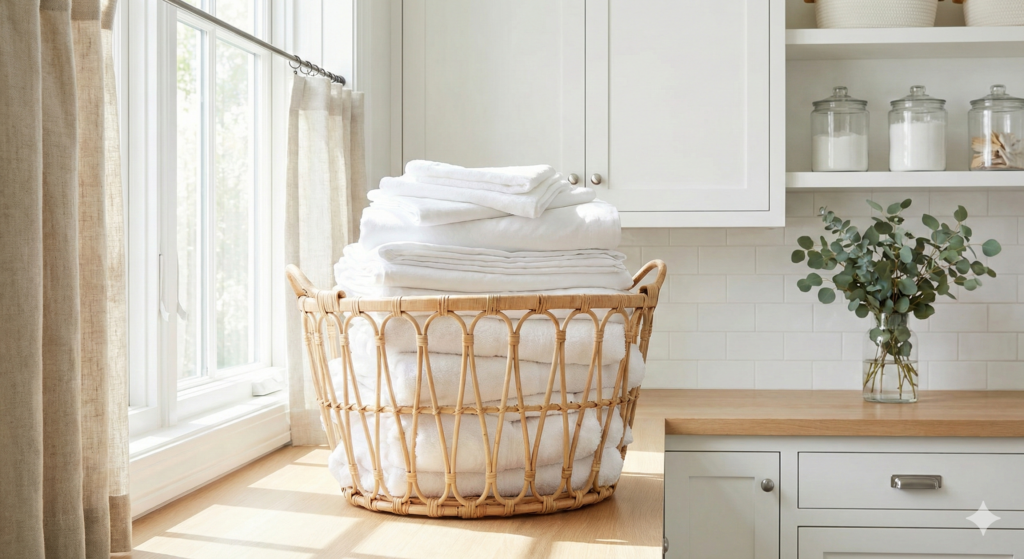
How Often to Wash Bedding
Different bedding items need washing at different times.
Sheets and pillowcases should be washed every week. If you sweat a lot or have allergies, wash them twice a week. According to industry experts, most people purchase new sheets approximately every two years, but proper washing can extend their life significantly.
Duvet covers and comforter covers should be washed every 2 to 4 weeks. If you use a top sheet between you and the duvet, you can wash the cover less often.
Comforters and duvets (the inserts) need washing every 3 to 6 months. You cannot wash them as often because they are so big. Using a duvet cover keeps them cleaner.
Blankets and quilts should be washed every 2 to 3 months. Wash them more if they get dirty.
Pillows need washing every 3 to 6 months. Check the care label first. Some pillows cannot be washed.
Mattress protectors should be washed every 2 months. They catch sweat and dirt so your mattress stays clean.
Washing Instructions
Always read the care label on your bedding first. But here are general tips:
Water Temperature: Most cotton sheets can be washed in warm or hot water. Hot water kills germs and dust mites. Delicate fabrics like linen, silk, and bamboo need cold or lukewarm water. Hot water can shrink them or damage the fibers.
Detergent: Use a gentle liquid detergent. Powder detergent can leave residue. Do not use too much detergent. Extra soap makes sheets stiff and can leave a smell. Less detergent is better than more.
No Fabric Softener: Do not use fabric softener on your sheets. It coats the fibers and makes them less breathable. It can also make towels less absorbent. If you want soft sheets, use white vinegar in the rinse cycle instead.
No Bleach: Avoid chlorine bleach. It weakens fibers and can cause yellowing over time. If you need to bleach, use oxygen bleach (non-chlorine bleach).
Separate Colors: Wash white and light colors together. Wash dark colors separately. This prevents color bleeding.
Do Not Overload: Your washing machine needs room for water and detergent to move around. If you stuff it too full, your bedding will not get clean.
Drying Tips
How you dry your bedding matters as much as how you wash it.
Low Heat: Use low or medium heat in the dryer. High heat can shrink fabrics and make them brittle. It can also fade colors.
Remove Promptly: Take sheets out of the dryer a few minutes before they are completely dry. Hang them up or put them on the bed right away. This prevents wrinkles.
Air Drying: Hanging your sheets outside to dry makes them smell fresh. But keep them out of direct sunlight for long periods. Sun can fade colors and weaken fibers.
Dryer Balls: Use wool dryer balls instead of dryer sheets. Dryer sheets leave residue. Wool balls fluff your sheets naturally.
Storage Tips
Store your extra bedding sets properly so they stay fresh.
Cool and Dry: Store bedding in a cool, dry place. Avoid damp basements or hot attics. Moisture causes mildew. Heat and humidity can damage fabrics.
No Plastic Bags: Do not store bedding in plastic bags. Plastic traps moisture. This can cause mold and bad smells. Use cloth bags or store bedding right on the shelf.
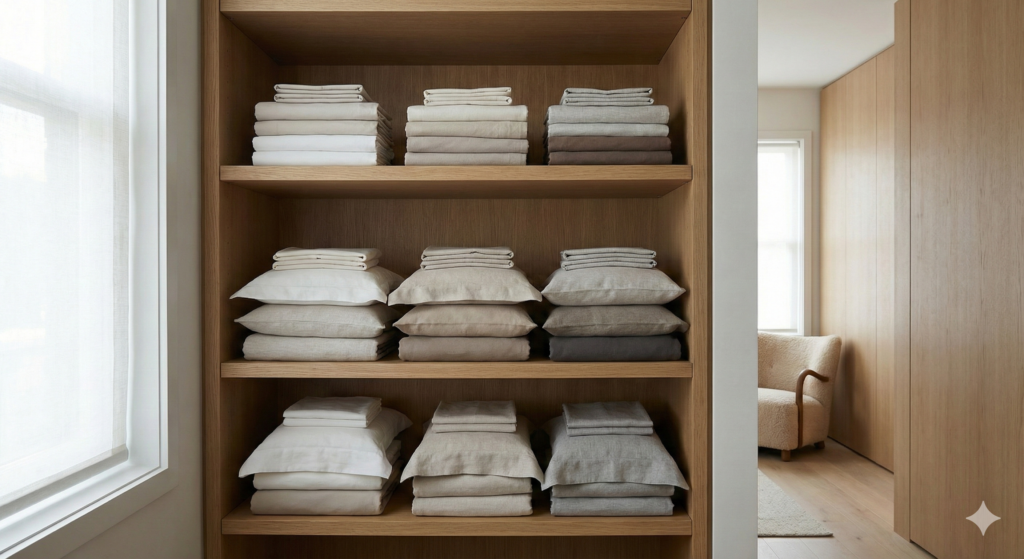
Away from Sunlight: Store bedding away from windows. Direct sunlight fades colors and can yellow white fabrics.
Folded Neatly: Fold your sheets and store each set inside one of its pillowcases. This keeps sets together and makes them easy to find.
Rotate Your Sets: Have at least two sets of sheets for each bed. Use one set while the other is being washed. This prevents one set from wearing out too fast.
Tips for Long-Lasting Bedding
Make your bedding last longer with these habits:
Wash new sheets before using them. This removes chemicals and makes them softer.
Air out your bed every day. When you wake up, pull back the covers for a few hours. This lets moisture evaporate.
Rotate your sheets. If you have three sets, each set gets used and washed less often. This makes them last longer.
Do not eat or drink in bed. Stains are hard to remove and can ruin your bedding.
Keep pets off the bed if possible. Pet claws can snag and tear fabrics.
Replace worn bedding. Old sheets with holes or thin spots do not protect your mattress well.
With good care, quality sheets can last 10 years or more. Comforters and duvets can last even longer.
Shopping Tips for Bedding
Ready to buy new bedding? Keep these tips in mind.
Read Reviews
Before you buy, read what other people say. Look for comments about:
- How soft the sheets feel
- Whether they shrink after washing
- If colors fade
- How well they hold up over time
Reviews help you avoid products that look good but do not perform well.
Check Return Policies
Many bedding companies offer trial periods. You can sleep on the sheets for 30 to 100 nights. If you do not like them, send them back. This takes the risk out of buying bedding online.
Buy Quality When You Can
Cheap bedding might seem like a good deal. But it often wears out fast. Better bedding costs more at first but lasts longer. In the end, quality bedding saves you money.
That said, you do not need to buy the most expensive bedding. Mid-range bedding often offers the best value.
Look for Certifications
Some certifications show that bedding is made safely:
OEKO-TEX Standard 100 means the fabric has been tested for harmful chemicals.
GOTS (Global Organic Textile Standard) certifies organic cotton.
These certifications matter if you have sensitive skin or want to avoid chemicals.
Buy from Trusted Retailers
Stick with known bedding brands and retailers. They stand behind their products. If something goes wrong, they will help fix it. Some popular places to buy bedding include department stores, home goods stores, and reputable online retailers.
Consider Sheet Sets
Buying a complete sheet set costs less than buying pieces separately. A basic set includes a fitted sheet, a flat sheet, and two pillowcases. Some sets also include extra pillowcases or shams.
Bedding Trends and Statistics
The bedding industry is growing. According to recent market research, the U.S. home bedding market was valued at approximately $25.7 billion in 2023 and is expected to grow at a rate of about 7% per year through 2030.
Several trends are shaping the bedding market:
Sustainability: More people want eco-friendly bedding. Organic cotton and bamboo are becoming more popular. According to the U.S. Census Bureau, median household income has risen, allowing more Americans to invest in premium, sustainable bedding options.
Online Shopping: Most people now shop for bedding online. This gives them more choices and often better prices. Direct-to-consumer brands make high-quality bedding more affordable.
Sleep Health: People are paying more attention to sleep quality. They understand that good bedding helps them sleep better. This has increased demand for cooling sheets, weighted blankets, and ergonomic pillows.
Luxury at Home: After spending more time at home, people want their bedrooms to feel like hotels. Luxury bedding makes your bedroom feel special.
Technology: Some new bedding has special features. Cooling fabrics help hot sleepers. Moisture-wicking materials pull sweat away from your body. Antimicrobial treatments reduce bacteria.
Common Bedding Mistakes to Avoid
Even experienced shoppers make these mistakes. Learn from them.
Buying Based Only on Thread Count
Thread count is just one factor. Material and weave matter more. A 300-count Egyptian cotton sheet can feel better than a 1000-count cheap sheet. Companies sometimes lie about thread count or count threads in tricky ways.
Not Measuring Your Mattress
If you do not know your mattress size and height, you might buy sheets that do not fit. Too-small fitted sheets pop off the corners. Too-big flat sheets bunch up. Always measure before you buy.
Washing with Fabric Softener
Fabric softener seems like it would make sheets softer. But it actually coats the fibers. This makes sheets less breathable and can irritate sensitive skin. It also makes sheets pill faster.
Using High Heat
High heat in the washer or dryer damages bedding fibers. It causes shrinking, fading, and brittleness. Always use lower temperatures unless the care label says otherwise.
Not Having Enough Sets
If you only have one set of sheets per bed, you are forced to wash and put them back on the same day. This is stressful. It also means your sheets wear out faster. Have at least two sets for each bed.
Ignoring Care Labels
Every bedding item has a care label for a reason. Ignoring it can ruin your bedding. Silk needs different care than cotton. Down duvets need different care than synthetic comforters. Read and follow the labels.
Buying Before Testing
If possible, feel bedding before you buy it. Some stores have samples you can touch. This helps you know if you will like how it feels. If you shop online, buy from companies with good return policies.
Final Thoughts
Bedding makes a huge difference in your sleep quality and bedroom comfort. The right sheets, blankets, and pillows help you rest better at night. They also protect your mattress and make your room look inviting.
Start with the basics: good sheets and pillows that match your sleeping style. Add a comfortable comforter or duvet. Then layer in blankets and decorative touches as your budget allows.
Choose materials that work for your temperature preferences and any allergies. Cotton is a safe choice for most people. Linen works great in hot weather. Flannel keeps you cozy in winter.
Take care of your bedding by washing it regularly with gentle detergent and low heat. Store it properly between uses. Quality bedding that is well cared for can last for many years.
Do not feel like you need to buy the most expensive bedding. Mid-range bedding often offers great quality at a reasonable price. Focus on what makes you comfortable and happy.
Your bedroom should be your favorite room. Good bedding is an investment in better sleep and better health. Take your time choosing bedding that feels right for you.
Ready to upgrade your bedding? Start by replacing your oldest set. Notice how much better you sleep with fresh, comfortable sheets. Then gradually build your collection. Before long, you will have the cozy, comfortable bed you deserve.