
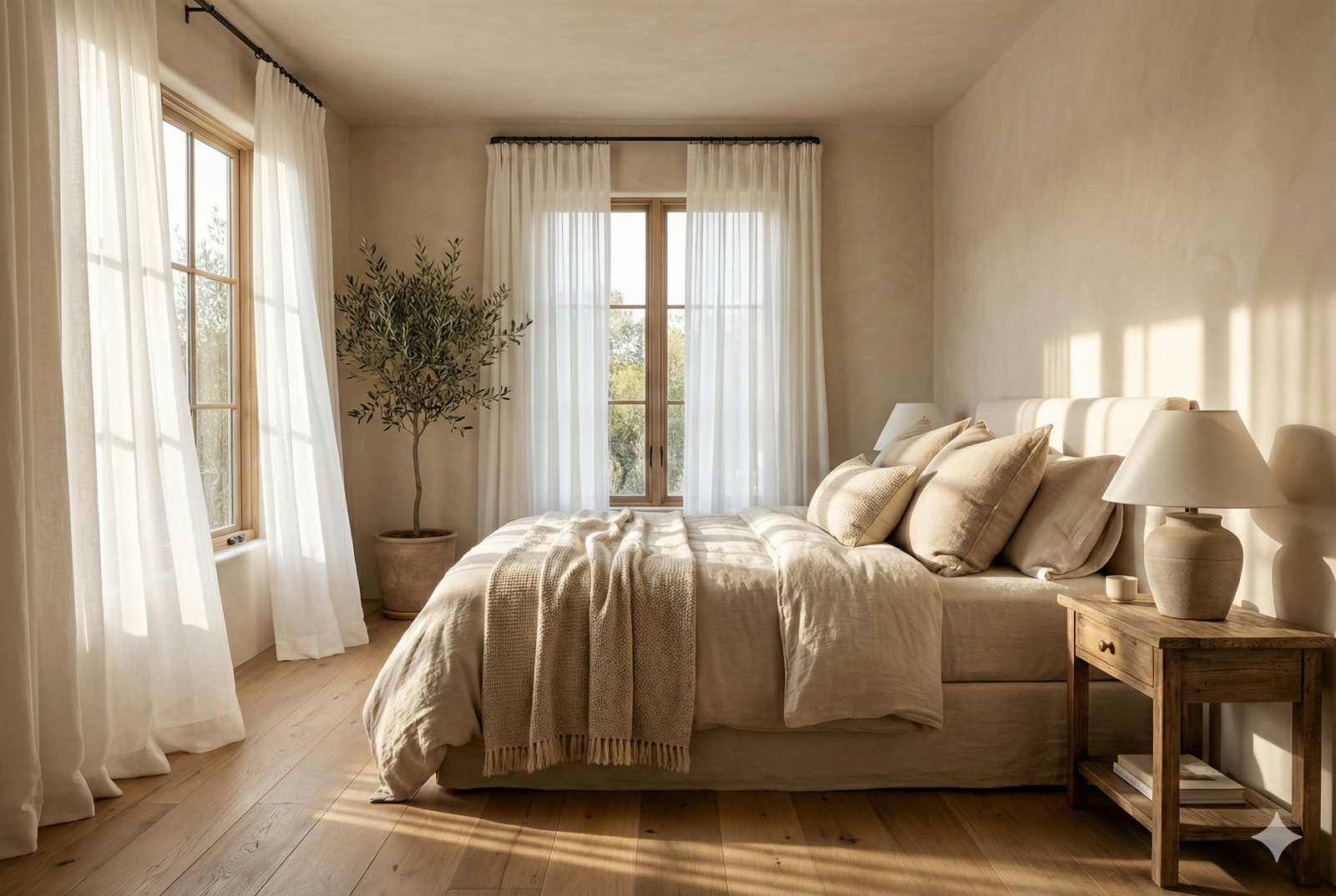
Small rooms can feel just as cozy and stylish as big ones. In fact, many people say they sleep better in smaller bedrooms because they feel more snug and safe. Whether you live in a tiny apartment or just have a compact bedroom, there are tons of ways to make your space work for you. This guide will show you how to pick the right colors, add smart storage, and arrange furniture so your small bedroom feels open, calm, and completely yours.
Why Small Bedrooms Can Be Better Than Big Ones
You might think a small bedroom is a problem. But here’s the truth: small can be amazing. A tiny bedroom is easier to clean, costs less to decorate, and creates a cozy feeling that helps you sleep. When a room wraps around you like a warm hug, you feel safe and relaxed.
Designers love working with small spaces because every choice matters. You can’t fill the room with random stuff, so you pick only what you truly love. This makes your bedroom feel special instead of cluttered.
According to research on color psychology and sleep, blue is scientifically proven to be the most relaxing choice for bedrooms. When you see blue, your brain gets signals to feel more at ease. This matters even more in small spaces where you want maximum calm.
Choose Light Colors to Open Up Your Space
The Magic of White and Cream
Light colors bounce light around the room. This makes your bedroom look bigger than it really is. White, cream, and soft gray are popular picks because they create an airy feeling.
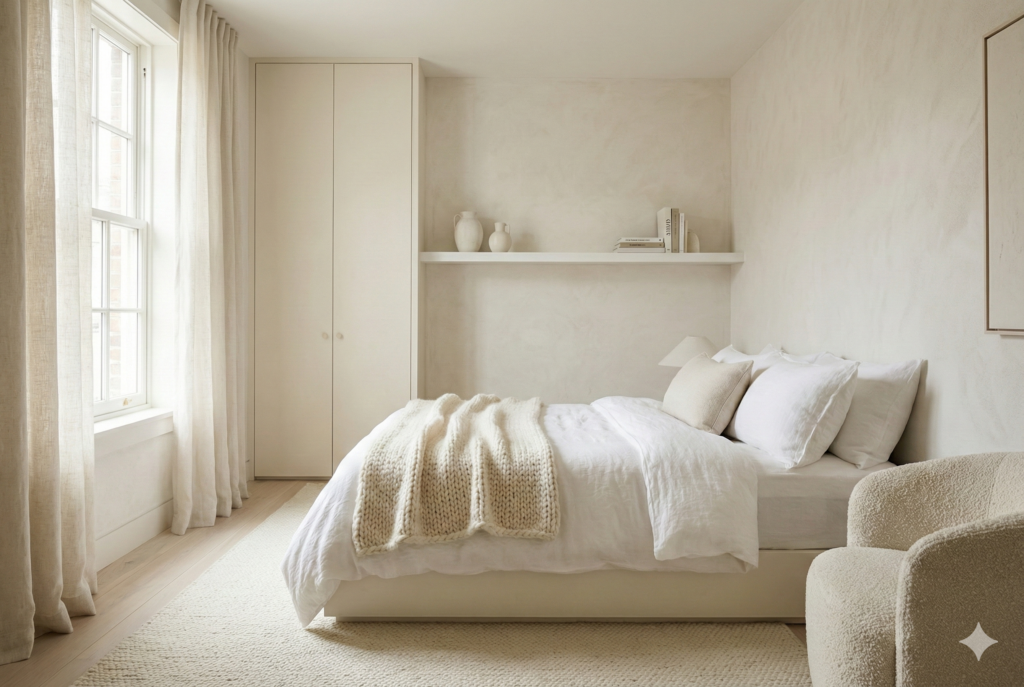
You can paint all four walls the same light color. Or try painting three walls white and one wall a soft blue or green. This adds interest without making the room feel small.
Cool Blues and Greens Work Wonders
Soft blues remind you of the sky. Gentle greens make you think of nature. Both colors help your eyes relax and your mind calm down.
Light blue paint can make a room feel taller and wider. It’s like bringing the outdoors inside. Sage green or seafoam green also work great in small bedrooms.
Don’t Fear Dark Colors
Here’s a surprise: dark colors can actually make a small bedroom feel amazing. Deep navy, charcoal gray, or even black paint creates a cozy cocoon. It’s perfect if you want your bedroom to feel like a peaceful cave where you can escape.
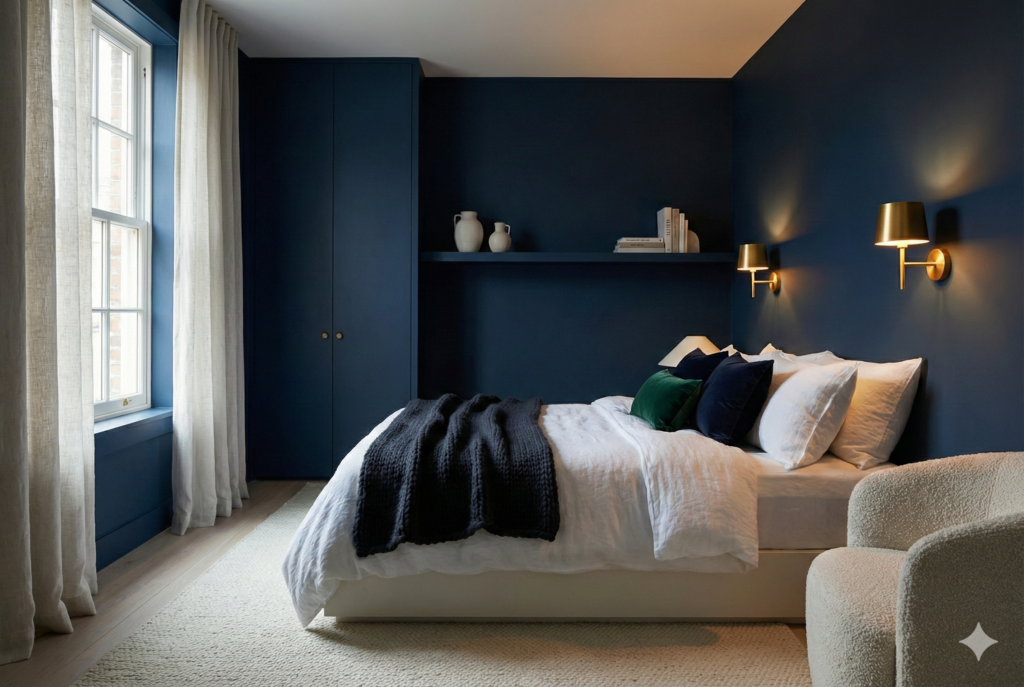
Interior designers note that the depth of pigment in darker colors offers emotional content that can be as nurturing or soothing as any green, particularly when you decorate floor-to-ceiling in a dark, velvety palette.
Just make sure to add plenty of light with lamps and maybe a big mirror to reflect what light you have.
Try Calming Pinks and Soft Neutrals
Light pink adds warmth without being too bright. It feels soft and gentle, like a quiet morning. Beige and taupe are also smart choices because they go with everything and never go out of style.
Smart Storage Solutions That Save Space
Under-Bed Storage Is Your Best Friend
The space under your bed is gold. You can slide storage bins under there for clothes you don’t wear often, extra blankets, or shoes. Some beds even come with built-in drawers that pull out from the sides.
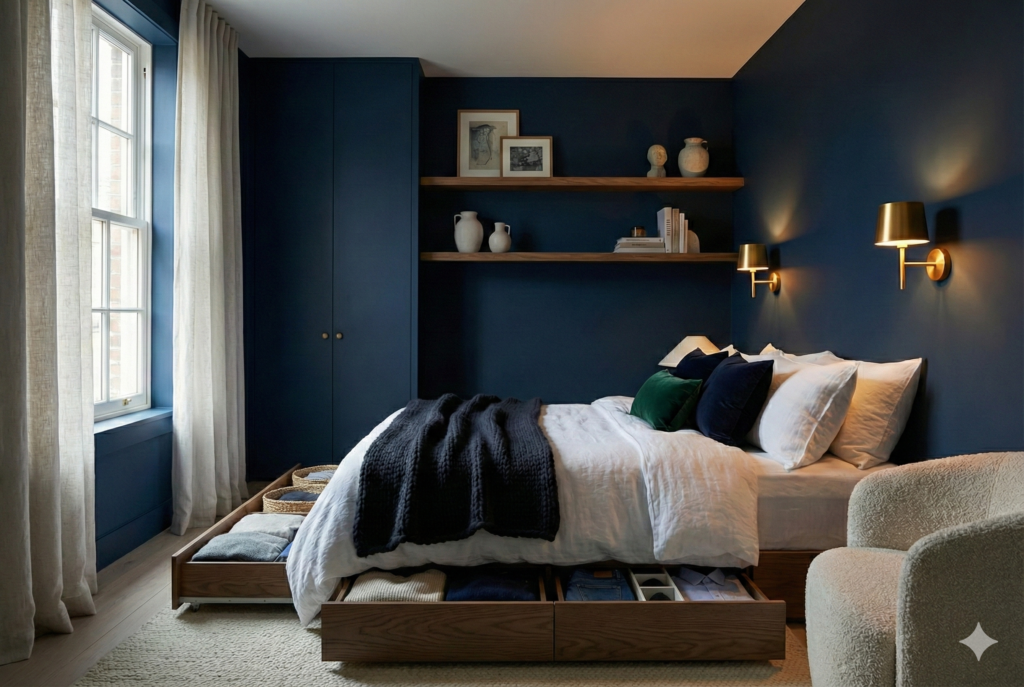
If your bed doesn’t have storage, you can buy risers to lift it up a few inches. Then slide flat boxes or rolling crates underneath. This keeps your stuff hidden but easy to grab when you need it.
Wall Shelves Instead of Big Furniture
Floating shelves take up zero floor space. Put them above your bed, next to the door, or over your desk. Use them for books, plants, or pretty things you want to display.
Wall-mounted shelves can go almost to the ceiling. This draws your eyes up and makes the room feel taller. Just don’t cover every wall with shelves or the room will feel busy.
Storage Benches and Ottomans
A bench at the end of your bed serves two purposes. You can sit on it to put on your shoes. And you can store blankets, pillows, or out-of-season clothes inside it.
Look for benches with lift-up tops or drawers underneath. These pieces are hardworking heroes in small bedrooms.
Use Your Closet Wisely
Don’t waste closet space. Hang organizers on the inside of closet doors for shoes or accessories. Add a second hanging rod if you have tall ceilings. Stack boxes or bins on high shelves for things you rarely need.
Some people even put a small dresser inside their closet to save floor space in the main room. If you have a big closet but a tiny bedroom, this trick works great.
Vertical Storage Is Key
When you can’t go out, go up! Tall bookshelves, high cabinets, and stacked storage boxes make use of every inch from floor to ceiling.
Corner shelves are especially helpful because corners often go unused. A simple corner shelf can hold lamps, books, or decorations without taking up wall space.
Pick the Right Furniture Size and Style
Choose a Bed Frame That Fits
Your bed will take up most of the room. That’s okay! But pick a frame that doesn’t feel too bulky. Low platform beds make ceilings look higher. Simple frames without big posts keep sight lines open.
If you have a really tiny room, consider a twin or full-size bed instead of a queen. You’ll have more walking space and the room won’t feel jammed.
Skip One Nightstand If Needed
Two nightstands look nice, but sometimes one is enough. This gives you more room to walk on one side of the bed. Put a small shelf or wall-mounted light on the other side so it doesn’t look empty.
Or try using a desk as a nightstand. You get a place for your phone and lamp, plus workspace for your laptop.
Floating Nightstands Save Floor Space
A floating nightstand mounts to the wall. It doesn’t touch the floor, which makes your room look less crowded. These work especially well in narrow bedrooms where floor space is tight.
Multipurpose Furniture Is Smart
Look for pieces that do two jobs. A storage ottoman can hold stuff and give you a place to sit. A desk with drawers can work as a nightstand and a workspace.
Murphy beds fold up into the wall during the day. This turns your bedroom into a living room or office when you’re not sleeping. Murphy beds used to look clunky, but now they come in beautiful styles and colors.
Avoid Big, Bulky Pieces
Stay away from oversized dressers, huge armchairs, and chunky bed frames in a small bedroom. These make the room feel stuffed. Instead, pick slim furniture with clean lines.
A tall, narrow dresser takes up less floor space than a wide, short one. And it gives you the same amount of storage.
Layout Ideas to Make Your Room Feel Bigger
Center Your Bed on the Main Wall
Put your bed in the middle of the biggest wall, usually the one facing the door. This creates balance and makes the room feel organized.
When your bed is centered, you can walk on both sides. This is easier than squeezing past a bed pushed into a corner.
Try a Corner Bed Layout
If your room is super tiny, push the bed into a corner. This frees up the middle of the room so you can move around easier. Add a few pillows against the wall so it feels comfy, not cramped.
A corner bed works best in square rooms. In long, narrow rooms, it might make the space feel awkward.
Leave Walking Space
Even in a small room, you need space to walk. Try to keep at least two feet of clear floor between your bed and other furniture. This makes the room feel open instead of like a maze.
If you can’t fit a full walking path, focus on keeping the area near the door clear. This helps the room feel welcoming when you first walk in.
Use Corners for Furniture
Corners are often wasted space. Put a small desk, a reading chair, or a tall plant stand in the corner. This fills the space without blocking pathways.
Corner shelves are also great for displaying books or decorations without taking up wall space that could be used for other things.
Add Mirrors to Create the Illusion of Space
One Big Mirror Works Wonders
A large mirror makes any room feel twice as big. Hang it across from a window so it reflects light and outdoor views. This brightens the room and tricks your eye into thinking there’s more space.
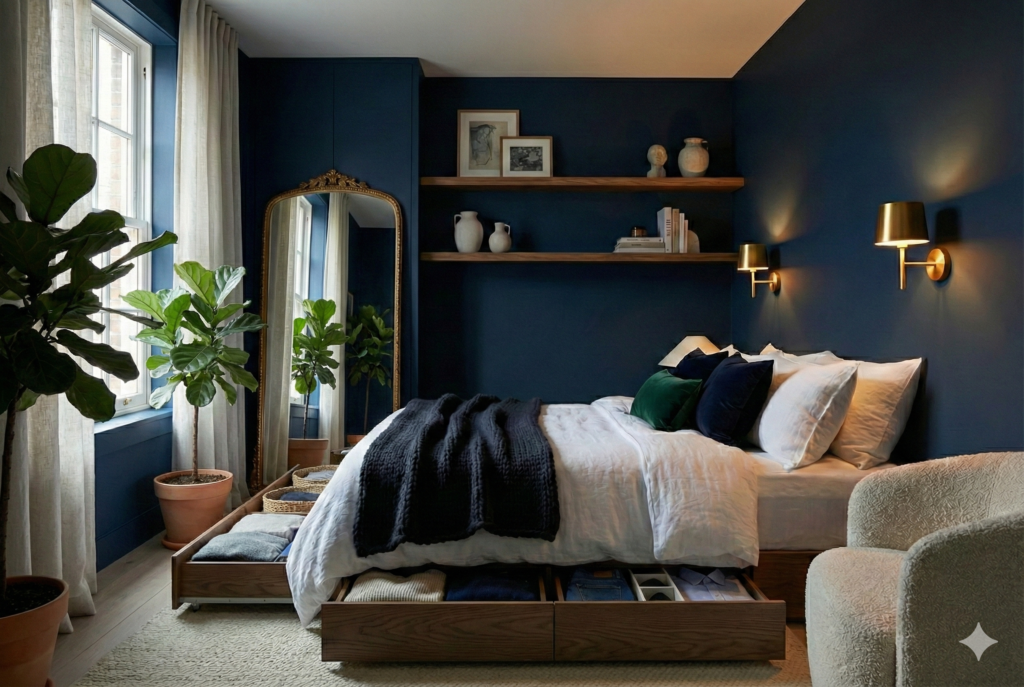
You can lean a full-length mirror against the wall or hang it above a dresser. Both options work well in small bedrooms.
Mirrored Furniture Adds Light
Some dressers, nightstands, and closet doors come with mirrored surfaces. These pieces bounce light around the room and make everything feel airier.
Just don’t go overboard. One or two mirrored pieces are enough. Too many mirrors can feel like a funhouse.
Place Mirrors Strategically
Put mirrors where they’ll reflect something pretty, like a plant, a window, or a piece of art. Don’t place them where they’ll reflect clutter or your unmade bed.
A mirror across from the door can make the room feel more open right when you walk in.
Lighting Tips for Small Bedrooms
Use Wall Sconces Instead of Table Lamps
Wall-mounted lights save space on your nightstand. They give you the same light as a lamp but don’t take up any surface area.
Plug-in sconces are easy to install. You don’t need an electrician. Just hang them on the wall and plug them in.
Layer Your Lighting
Don’t rely on just one overhead light. Use a mix of ceiling lights, lamps, and sconces to create a warm glow. This makes the room feel cozy and helps you see better.
Soft, warm bulbs are better for bedrooms than bright, cool ones. They help you relax before bed.
Let Natural Light Shine
Keep your windows clear of heavy curtains during the day. Light, sheer curtains let sunshine in while still giving you privacy.
Natural light makes any room feel bigger and happier. If you have a small window, make sure nothing blocks it.
Add Pendant Lights
A hanging light above your bed or in a corner adds style without taking up floor space. It also draws eyes up, which makes the ceiling feel higher.
Declutter and Keep Things Simple
Less Stuff Means More Space
The fewer things you have, the bigger your room will feel. Go through your clothes, books, and decorations. Keep only what you love and use.
A clean, simple room is easier to relax in. Too much stuff makes your brain feel busy even when you’re trying to rest.
Use Closed Storage
Open shelves can look messy if you have too much stuff on display. Use drawers, cabinets, and storage boxes with lids to hide clutter.
When everything has a home, your room stays neat. And a neat room always looks bigger.
Keep Surfaces Clear
Your nightstand, dresser, and desk shouldn’t be covered with random items. Keep only the essentials: a lamp, your phone charger, maybe a book or a plant.
Clear surfaces make a room feel calm and organized.
Add Personality Without Overwhelming the Space
Use Small-Scale Art
Big, bold art can overwhelm a small wall. Instead, use smaller pieces that don’t take up too much visual space. Two or three small frames look better than one giant painting in a tiny room.
You can also try one medium-sized piece of art as a focal point. Hang it above your bed or across from the door.
Bring in Plants
Plants make any room feel fresh and alive. Small potted plants on a shelf or hanging plants near a window add color without taking up floor space.
Choose low-maintenance plants like pothos, snake plants, or succulents if you’re not great at remembering to water them.
Add Texture with Bedding
Instead of lots of decorations, focus on your bed. Use soft blankets, fluffy pillows, and a nice comforter to make the bed the star of the room.
Layering different textures like cotton, linen, and velvet makes the room feel cozy and interesting.
Pick One or Two Accent Colors
Choose one or two colors to use throughout the room. Maybe it’s soft blue and white, or gray and blush pink. This creates a calm, put-together look.
Don’t use too many different colors or the room will feel chaotic.
Special Tips for Different Types of Small Bedrooms
Tiny Bedrooms in Apartments
If you live in a studio or one-bedroom apartment, your bedroom might need to do double duty. Use a daybed that works as a couch during the day. Or add a desk that folds down when you need it and tucks away when you don’t.
Room dividers or curtains can separate your sleeping area from the rest of the space without building walls.
Kids’ Small Bedrooms
Kids don’t need giant bedrooms. In fact, they often feel safer in smaller spaces. Use bunk beds if you have more than one child. Add storage bins for toys and books.
Bright, cheerful colors work well in kids’ rooms. Think light yellow, soft blue, or mint green.
Small Guest Bedrooms
A guest bedroom doesn’t need much. A comfortable bed, a small nightstand, and a lamp are all you really need. Add hooks on the wall for guests to hang clothes.
Keep decorations simple and neutral so any guest feels welcome.
Small Master Bedrooms
Even a small master bedroom can feel luxurious. Focus on quality over quantity. Invest in really nice bedding, good lighting, and one beautiful piece of art or furniture.
A small master bedroom is easier to keep romantic and cozy than a huge one.
Common Mistakes to Avoid
Pushing All Furniture Against the Walls
You might think pushing everything against the walls creates more space. But sometimes pulling furniture slightly away from the walls makes a room feel bigger and more balanced.
Try placing your bed a few inches from the wall instead of right up against it. This creates flow and makes the room less boxy.
Using Too Many Small Items
Lots of tiny decorations make a room feel cluttered. Instead of ten small things, use two or three larger pieces. This looks cleaner and more intentional.
Ignoring Vertical Space
Don’t forget to look up! Use tall shelves, hang art higher on the walls, and consider vertical storage solutions. This draws the eye upward and makes the room feel taller.
Choosing the Wrong Rug Size
A tiny rug makes a small room look even smaller. If you use a rug, pick one that fits under at least two-thirds of your bed. Or skip the rug entirely and keep the floor clear.
Quick Wins for an Instant Small Bedroom Upgrade
Here are some fast changes that make a big difference:
- Swap out your bulky lampshade for a slim one
- Replace heavy curtains with light, sheer ones
- Add one large mirror
- Paint one wall a soft accent color
- Install floating shelves
- Buy bed risers for under-bed storage
- Switch to a slim bed frame
- Hang curtains closer to the ceiling
These small tweaks take just a few hours but can totally transform how your bedroom looks and feels.
Final Thoughts
Your small bedroom doesn’t have to feel cramped or boring. With the right colors, smart storage, and thoughtful furniture choices, you can create a space that feels open, calm, and totally you.
Remember: less is more in a small bedroom. Pick light colors that make the room feel bigger. Use every bit of vertical space with shelves and wall-mounted lights. Choose furniture that fits the room and serves more than one purpose.
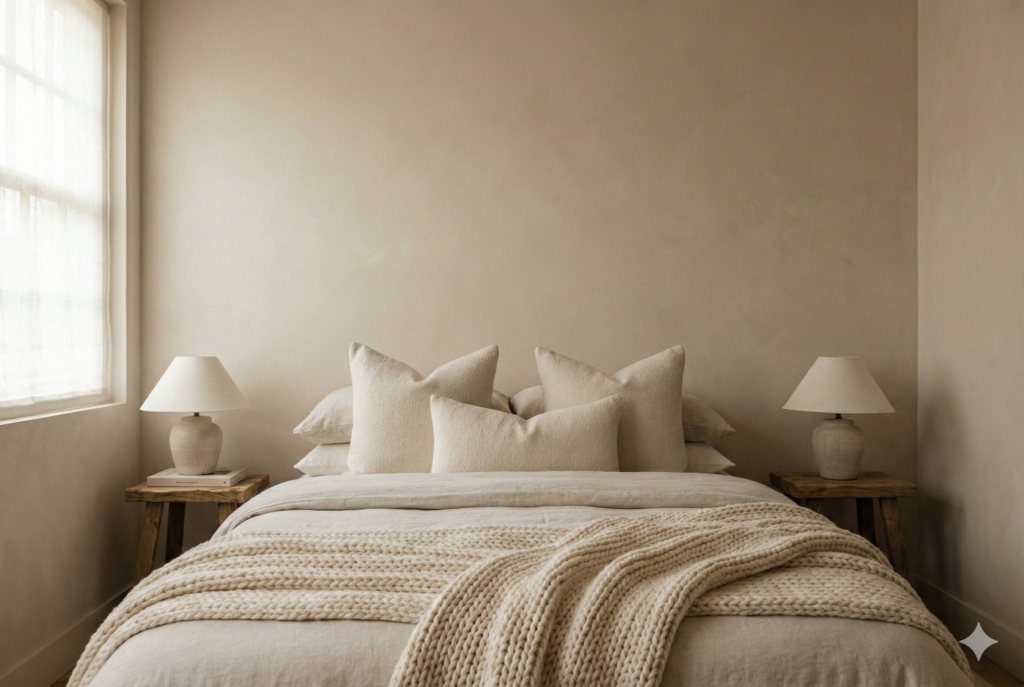
Most importantly, keep only what you love. A small bedroom filled with things that make you happy will always feel better than a big room stuffed with stuff you don’t care about.
Ready to start transforming your small bedroom? Pick one or two ideas from this list and try them today. You’ll be amazed at how much better your tiny space can look and feel with just a few simple changes. Sweet dreams in your newly organized, beautifully designed small bedroom!